SARAJEVO, Sept 18 (Reuters) - Serbia is invoking the spectre of a breakup of neighbouring Bosnia before elections there, as it battles to block the independence of its southern province of Kosovo.
Bosnia's Serbs are talking of secession in the campaign for the Oct. 1 election because Serbia is using them as a lever, analysts and diplomats say.
"Belgrade has been using Bosnian Serbs in its bargaining, telling them to speak up and say they'll claim independence if Kosovo goes," said a Sarajevo-based diplomat.
Serbia opposes independence for its southern Kosovo province, run by the United Nations since NATO military force compelled Serbia to withdraw its forces in 1999 to end what the West said was Serbian ethnic cleansing during a guerrilla war.
The West opposes the breakup of Bosnia, a two-part state bolted together by Washington from the wreckage of the 1992-95 war under the Dayton Accords -- a deal that forced exhausted, ethnically-cleansed enemies into uneasy partnership.
Western diplomats predict Kosovo's two million ethnic Albanians, representing a 90 percent majority, will get independence by the end of the year, courtesy of the United Nations and against the will of Serbia if the Belgrade government does not change its stance.
More by innuendo than open threat, the Serbs are saying: amputate Kosovo and you can watch Bosnia fall apart too, as 1.4 million ethnic Serbs elect to part company with 2.6 million Muslim Bosniaks and ethnic Croats.
Legally, no party in Bosnia has the right to secede. But then neither does Kosovo, on paper.
"We are the guarantor of peace and the constitution in this state, and it is our responsibility that Bosnia's integrity remains intact," U.S. ambassador Douglas McElhaney told the Bosnian Serb daily Nezavisne Novine earlier this month.
"Anyone who brings into question this integrity should know that we do not forget," warned McElhaney, whose office issued a further statement on Monday saying "there will be no referendum ... and that is the official policy of the U.S. government".
GENIE OUT OF THE BOTTLE
Politically, however, there is at least a theoretical risk that a determined 'people's power' movement to demand an independence referendum could become hard to resist.
EU foreign ministers warned about inflammatory campaign rhetoric last Friday, after Bosnian Serb Prime Minister Milorad Dodik said Serbs "did not see their long-term future" in Bosnia.
Dodik warned secession would be an option if the Serb Republic were scrapped or lost its autonomy, as demanded by some Muslims and Croats who believe Bosnia can never become a unified state as long as half the country demands a separate identity.
Secession rhetoric frothed up in May after Montenegro voted to end ties to Serbia and declare an independent republic, now fully recognised and pursuing European Union membership.
Analysts say it was not surprising that Bosnian Serbs would envy the Montenegrin move and think of copying it, but it remains to be seen how genuine their threat really is.
Bosnia's international peace overseers say the separatist rhetoric is simply an ingredient in an unusually heated general election campaign, inflamed by the Serbs' defiant rejection of international demands to forge a single police force for Bosnia.
Senad Slatina of Sarajevo Center for European Integration Strategies (CEIS) says Dodik's talk can cut both ways. Besides pandering to secessionists, it wards off any threat to an ethnically exclusive Serb Republic.
"It is just a continuation of (Radovan) Karadzic's wartime policies," he said, referring to the fugitive Serb wartime leader wanted by the U.N. war crimes court on genocide charges.
"It is obvious that we are bracing for a very serious political crisis because of the Serbs' attitude," Slatina said.
Instead of completing a Stabilisation and Association Agreement (SAA) with the EU -- the first rung on the ladder to membership -- talks could be blocked by Dodik's opposition to the EU-sponsored police unification plan.
But polls show secession is popular, and Dodik may have let the genie out of the bottle, said Serb analyst Tanja Topic.
"I think he himself has been surprised with the response to all this and he has left himself very little space for manoeuvre. He's very close to the wall," said Topic.
"I think he knows he'll have to abandon this idea at a certain point. But we'll just have to wait and see."
Monday, September 18, 2006


Bomb damages four cars in Kosovo
PRISTINA, Serbia (AP) - A bomb exploded in a village in southern Kosovo, damaging cars but causing no injuries, in the third such attack in as many days amid ongoing talks on the province's future status, police said Monday.
The explosion Sunday night was caused by a small bomb placed under a car in a parking lot outside a restaurant in Balaj village, 30 kilometers (18 miles) south of the capital, Pristina, police spokeswoman Sabrie Kamberi said.
Four cars were damaged, Kamberi said, but it was unclear if the restaurant itself was a target.
Police also said they did not yet have evidence to link the explosion to two others over the weekend. Authorities have increased security at public institutions, including schools, Kamberi said, without elaborating.
The blasts raised tensions amid ongoing U.N.-led negotiations on whether Kosovo should become independent -- which the province's ethnic Albanian leadership wants -- or have broad autonomy but remain a part of Serb territory, as Belgrade insists.
Last week, a U.N. envoy to the talks in Vienna, Austria, said the two sides had made little progress in reaching common ground, and that the negotiations were in jeopardy.
Two other bombs exploded, one Friday night and one Saturday night, injuring no one but damaging cars belonging to Kosovo's interior minister and a senior government official in Gnjilane, 40 kilometers (25 miles) east of Pristina.
Kosovo's parliament speaker, Kole Berisha, said he considered both blasts were directed against the talks to undermine stability at a decisive moment.
The top U.N. administrator in Kosovo, Joachim Ruecker, also blamed people wishing to disrupt negotiations for a peaceful and democratic settlement for Kosovo.
Martti Ahtisaari, the chief U.N. envoy for Kosovo, was in New York to brief key members of the U.N. Security Council on the progress -- or lack of it -- in the status talks, which began in February.
The U.N. hopes to resolve the issue by the end of the year, but the failure so far to resolve the stalemate between the two sides has increased the likelihood that the Security Council will impose a solution by declaring Kosovo independent.
Ethnic Albanians, who make up more than 90 percent of Kosovo's 2 million population, have been pushing for independence, but Serbs insist the province is the heart of their ancient homeland and should remain part of Serbia. Serb minority communities in Kosovo also want to remain under Belgrade.
The United Nations has administered Kosovo since 1999, when NATO air strikes drove out Serb troops who had carried out a bloody crackdown on its Albanian population. About 16,000 NATO-led peacekeepers still patrol the province.
The explosion Sunday night was caused by a small bomb placed under a car in a parking lot outside a restaurant in Balaj village, 30 kilometers (18 miles) south of the capital, Pristina, police spokeswoman Sabrie Kamberi said.
Four cars were damaged, Kamberi said, but it was unclear if the restaurant itself was a target.
Police also said they did not yet have evidence to link the explosion to two others over the weekend. Authorities have increased security at public institutions, including schools, Kamberi said, without elaborating.
The blasts raised tensions amid ongoing U.N.-led negotiations on whether Kosovo should become independent -- which the province's ethnic Albanian leadership wants -- or have broad autonomy but remain a part of Serb territory, as Belgrade insists.
Last week, a U.N. envoy to the talks in Vienna, Austria, said the two sides had made little progress in reaching common ground, and that the negotiations were in jeopardy.
Two other bombs exploded, one Friday night and one Saturday night, injuring no one but damaging cars belonging to Kosovo's interior minister and a senior government official in Gnjilane, 40 kilometers (25 miles) east of Pristina.
Kosovo's parliament speaker, Kole Berisha, said he considered both blasts were directed against the talks to undermine stability at a decisive moment.
The top U.N. administrator in Kosovo, Joachim Ruecker, also blamed people wishing to disrupt negotiations for a peaceful and democratic settlement for Kosovo.
Martti Ahtisaari, the chief U.N. envoy for Kosovo, was in New York to brief key members of the U.N. Security Council on the progress -- or lack of it -- in the status talks, which began in February.
The U.N. hopes to resolve the issue by the end of the year, but the failure so far to resolve the stalemate between the two sides has increased the likelihood that the Security Council will impose a solution by declaring Kosovo independent.
Ethnic Albanians, who make up more than 90 percent of Kosovo's 2 million population, have been pushing for independence, but Serbs insist the province is the heart of their ancient homeland and should remain part of Serbia. Serb minority communities in Kosovo also want to remain under Belgrade.
The United Nations has administered Kosovo since 1999, when NATO air strikes drove out Serb troops who had carried out a bloody crackdown on its Albanian population. About 16,000 NATO-led peacekeepers still patrol the province.
Friday, September 15, 2006
U.N. envoy says progress on Kosovo talks looking 'increasingly slim'
VIENNA, Austria (AP) - U.N.-brokered talks on the future status of Kosovo are in jeopardy, the deputy United Nations envoy warned Friday at negotiations clouded by a car bombing that targeted the interior minister of the ethnically divided province.
"We're approaching a moment where by talking alone we won't accomplish the goal," said Albert Rohan, the U.N. official overseeing Friday's latest round of talks in Vienna. "We could talk for another 10 years and not change anything."
Serbian and ethnic Albanian negotiators discussed how to decentralize power in Kosovo to give its minority Serbs more of a voice. But the session -- like the eight others that have preceded it -- ended in a stalemate, increasing the likelihood that an impatient U.N. Security Council will impose a solution by declaring Kosovo independent.
That could trigger a showdown with Serbia, which considers the province the heart of its ancient homeland and insists it should remain within Serbian territory.
Martti Ahtisaari, the chief U.N. envoy for Kosovo, heads to New York this weekend to brief key members of the Security Council on the progress -- or lack of it -- in talks that began in February to reach a negotiated settlement.
"The prospect of progress in these talks is increasingly slim," Rohan told reporters.
Asked when he would be prepared to call it quits, Rohan was evasive, but he conceded it was increasingly unlikely that a solution would be reached by the end of the year -- the target when the negotiations began.
"We cannot extend this infinito," he said.
Underscoring the tensions and lawlessness that still plague Kosovo, a bomb exploded beneath the Kosovo interior minister's car in the province early Friday, but did not injure him. It was not clear whether the attack was meant to kill the recently appointed minister, Fatmir Rexhepi, or whether it was carried out by Serbs or by Rexhepi's ethnic Albanian political opponents.
Kosovo's parliament speaker, Kole Berisha, said he considered the explosion directed against the talks to undermine stability at a decisive moment.
Deputy Prime Minister Lufti Haziri, who led the ethnic Albanian delegation in Friday's round of negotiations, condemned the bombing but played down its impact on the talks.
The United Nations has administered Kosovo since 1999, when NATO air strikes drove out Serb troops who had carried out a bloody crackdown on its independence-seeking Albanian population, which accounts for 90 percent of Kosovo's 2 million population.
About 16,000 NATO-led peacekeepers still patrol the province.
U.S. and EU envoys who visited Kosovo this week pressed ethnic Albanian leaders to provide more guarantees that the Serb minority would be protected from violence and discrimination.
Underscoring the ferocity of Serbia's claim on the province, lawmakers in Belgrade this week decreed that Serbia's new constitution will refer to Kosovo as a "historic and integral part of Serbia" -- even if the U.N. talks result in Kosovo's independence.
Rohan said the two sides deadlocked over how many new municipalities should be set up to give Serbs more influence in day-to-day affairs in areas where they form a local majority.
An estimated 200,000 Serbs fled Kosovo after the 1988-99 conflict, fearing revenge attacks. Today, only about 100,000 remain, most living in small, isolated enclaves scattered around the province.
Friday's talks bogged down over Kosovska Mitrovica, a divided city that was a flashpoint during the war and continues to breed interethnic strife. The Albanians said they resisted Serb efforts to incorporate the mostly Serb north of the town into a new district and to create nearly a dozen new municipalities that Haziri insisted would not be financially sustainable.
"We have reached our limits," Haziri said.
Slobodan Samardzic, leading the Serb delegation, said Kosovo's Serbs were intent on gaining more freedom of movement and guarantees that they would not be persecuted.
"We are faced with daily infringements of human rights," he said.
"We're approaching a moment where by talking alone we won't accomplish the goal," said Albert Rohan, the U.N. official overseeing Friday's latest round of talks in Vienna. "We could talk for another 10 years and not change anything."
Serbian and ethnic Albanian negotiators discussed how to decentralize power in Kosovo to give its minority Serbs more of a voice. But the session -- like the eight others that have preceded it -- ended in a stalemate, increasing the likelihood that an impatient U.N. Security Council will impose a solution by declaring Kosovo independent.
That could trigger a showdown with Serbia, which considers the province the heart of its ancient homeland and insists it should remain within Serbian territory.
Martti Ahtisaari, the chief U.N. envoy for Kosovo, heads to New York this weekend to brief key members of the Security Council on the progress -- or lack of it -- in talks that began in February to reach a negotiated settlement.
"The prospect of progress in these talks is increasingly slim," Rohan told reporters.
Asked when he would be prepared to call it quits, Rohan was evasive, but he conceded it was increasingly unlikely that a solution would be reached by the end of the year -- the target when the negotiations began.
"We cannot extend this infinito," he said.
Underscoring the tensions and lawlessness that still plague Kosovo, a bomb exploded beneath the Kosovo interior minister's car in the province early Friday, but did not injure him. It was not clear whether the attack was meant to kill the recently appointed minister, Fatmir Rexhepi, or whether it was carried out by Serbs or by Rexhepi's ethnic Albanian political opponents.
Kosovo's parliament speaker, Kole Berisha, said he considered the explosion directed against the talks to undermine stability at a decisive moment.
Deputy Prime Minister Lufti Haziri, who led the ethnic Albanian delegation in Friday's round of negotiations, condemned the bombing but played down its impact on the talks.
The United Nations has administered Kosovo since 1999, when NATO air strikes drove out Serb troops who had carried out a bloody crackdown on its independence-seeking Albanian population, which accounts for 90 percent of Kosovo's 2 million population.
About 16,000 NATO-led peacekeepers still patrol the province.
U.S. and EU envoys who visited Kosovo this week pressed ethnic Albanian leaders to provide more guarantees that the Serb minority would be protected from violence and discrimination.
Underscoring the ferocity of Serbia's claim on the province, lawmakers in Belgrade this week decreed that Serbia's new constitution will refer to Kosovo as a "historic and integral part of Serbia" -- even if the U.N. talks result in Kosovo's independence.
Rohan said the two sides deadlocked over how many new municipalities should be set up to give Serbs more influence in day-to-day affairs in areas where they form a local majority.
An estimated 200,000 Serbs fled Kosovo after the 1988-99 conflict, fearing revenge attacks. Today, only about 100,000 remain, most living in small, isolated enclaves scattered around the province.
Friday's talks bogged down over Kosovska Mitrovica, a divided city that was a flashpoint during the war and continues to breed interethnic strife. The Albanians said they resisted Serb efforts to incorporate the mostly Serb north of the town into a new district and to create nearly a dozen new municipalities that Haziri insisted would not be financially sustainable.
"We have reached our limits," Haziri said.
Slobodan Samardzic, leading the Serb delegation, said Kosovo's Serbs were intent on gaining more freedom of movement and guarantees that they would not be persecuted.
"We are faced with daily infringements of human rights," he said.
UN envoy closes in on Kosovo endgame
VIENNA, Sept 15 (Reuters) - U.N. envoy Martti Ahtisaari plans to tell the major powers next week that talks between Serbs and ethnic Albanians on the fate of Kosovo are nearing the end of the line.
"He will tell them: 'Maybe we have reached the stage when both sides have almost exhausted their options and we are at a very difficult period in the negotiations, if not the dead-end yet,'" a senior Western official said on Friday.
Diplomats say that if the two sides fail to agree, major powers will impose a solution, most likely advocating independence for Kosovo.
Ahtisaari leaves on Saturday for New York, where he will brief the U.N. Security Council and the foreign ministers of the major powers on the state of play in talks on Serbia's breakaway province, where 2 million ethnic Albanians demand independence.
"He will brief them on the progress, or the lack of it," the official, who asked not to be named, told Reuters. "He will say: 'This is the situation, what are you going to do about it?'"
Ahtisaari meets the Contact Group -- the United States, Britain, France, Germany, Italy and Russia -- on Sept. 20.
If Moscow agrees, they could give Ahtisaari the green light to propose a solution. Diplomats say this will almost certainly advocate independence, setting up a showdown with Serbia.
Legally part of Serbia, Kosovo has been run by the United Nations since 1999, when NATO bombs drove out Serb forces accused of ethnic cleansing.
Direct talks on the province's future began in February, with little sign of compromise. The focus has been on the rights and security of the 100,000 remaining Serbs, but U.N. mediators say Belgrade has been particularly stubborn.
Talks resumed on Friday in Vienna, but few people involved hold out any hope of the two sides striking a deal.
"INSEPARABLE"
The Contact Group has said a decision should be made this year, mindful of growing Albanian impatience and the risk of fresh violence. As if to underscore the point, a blast overnight destroyed the Kosovo interior minister's car.
A spokeswoman for Ahtisaari said the former Finnish president would brief the Security Council on "the way forward."
"We have to bear in mind the timeframe given to us by the Contact Group. That's the end of the year," she said.
But separately, Russia has cautioned against any "artificial deadlines", backing Belgrade's demand for more time.
Rich in Orthodox heritage, Kosovo holds almost mythic status for Serbs. After an impassioned speech on Tuesday by Prime Minister Vojislav Kostunica, parliament agreed to enshrine Kosovo in a new constitution as forever Serbian.
"The entire world must know that as long as the Serbian state exists, Kosovo must be its inseparable province," he said.
Around 10,000 Albanians died and 800,000 were expelled in Serbia's 1998-99 war against Albanian rebels. Eleven weeks of NATO bombing forced Belgrade to pull its troops out, but half the Serb population too fled a wave of revenge attacks.
Analysts say Belgrade knows Kosovo is lost, but could back a breakaway bid by the Serb north. The West argues this might reignite Albanian insurgencies in southern Serbia and Macedonia.
As 2006 starts to close, the European Union is preparing to take over from the U.N. with a smaller police and monitoring operation. NATO will keep at least some of its current 16,000 troops there.
"He will tell them: 'Maybe we have reached the stage when both sides have almost exhausted their options and we are at a very difficult period in the negotiations, if not the dead-end yet,'" a senior Western official said on Friday.
Diplomats say that if the two sides fail to agree, major powers will impose a solution, most likely advocating independence for Kosovo.
Ahtisaari leaves on Saturday for New York, where he will brief the U.N. Security Council and the foreign ministers of the major powers on the state of play in talks on Serbia's breakaway province, where 2 million ethnic Albanians demand independence.
"He will brief them on the progress, or the lack of it," the official, who asked not to be named, told Reuters. "He will say: 'This is the situation, what are you going to do about it?'"
Ahtisaari meets the Contact Group -- the United States, Britain, France, Germany, Italy and Russia -- on Sept. 20.
If Moscow agrees, they could give Ahtisaari the green light to propose a solution. Diplomats say this will almost certainly advocate independence, setting up a showdown with Serbia.
Legally part of Serbia, Kosovo has been run by the United Nations since 1999, when NATO bombs drove out Serb forces accused of ethnic cleansing.
Direct talks on the province's future began in February, with little sign of compromise. The focus has been on the rights and security of the 100,000 remaining Serbs, but U.N. mediators say Belgrade has been particularly stubborn.
Talks resumed on Friday in Vienna, but few people involved hold out any hope of the two sides striking a deal.
"INSEPARABLE"
The Contact Group has said a decision should be made this year, mindful of growing Albanian impatience and the risk of fresh violence. As if to underscore the point, a blast overnight destroyed the Kosovo interior minister's car.
A spokeswoman for Ahtisaari said the former Finnish president would brief the Security Council on "the way forward."
"We have to bear in mind the timeframe given to us by the Contact Group. That's the end of the year," she said.
But separately, Russia has cautioned against any "artificial deadlines", backing Belgrade's demand for more time.
Rich in Orthodox heritage, Kosovo holds almost mythic status for Serbs. After an impassioned speech on Tuesday by Prime Minister Vojislav Kostunica, parliament agreed to enshrine Kosovo in a new constitution as forever Serbian.
"The entire world must know that as long as the Serbian state exists, Kosovo must be its inseparable province," he said.
Around 10,000 Albanians died and 800,000 were expelled in Serbia's 1998-99 war against Albanian rebels. Eleven weeks of NATO bombing forced Belgrade to pull its troops out, but half the Serb population too fled a wave of revenge attacks.
Analysts say Belgrade knows Kosovo is lost, but could back a breakaway bid by the Serb north. The West argues this might reignite Albanian insurgencies in southern Serbia and Macedonia.
As 2006 starts to close, the European Union is preparing to take over from the U.N. with a smaller police and monitoring operation. NATO will keep at least some of its current 16,000 troops there.
U.N. envoy closes in on Kosovo endgame
By Matt Robinson
VIENNA (Reuters) - U.N. envoy Martti Ahtisaari plans to tell the major powers next week that talks between Serbs and ethnic Albanians on the fate of Kosovo are nearing the end of the line.
"He will tell them: 'Maybe we have reached the stage when both sides have almost exhausted their options and we are at a very difficult period in the negotiations, if not the dead-end yet,'" a senior Western official said on Friday.
Diplomats say that if the two sides fail to agree, major powers will impose a solution, most likely advocating independence for Kosovo.
Ahtisaari leaves on Saturday for New York, where he will brief the U.N. Security Council and the foreign ministers of the major powers on the state of play in talks on Serbia's breakaway province, where 2 million ethnic Albanians demand independence.
"He will brief them on the progress, or the lack of it," the official, who asked not to be named, told Reuters. "He will say: 'This is the situation, what are you going to do about it?'"
Ahtisaari meets the Contact Group -- the United States, Britain, France, Germany, Italy and Russia -- on September 20.
If Moscow agrees, they could give Ahtisaari the green light to propose a solution. Diplomats say this will almost certainly advocate independence, setting up a showdown with Serbia.
Legally part of Serbia, Kosovo has been run by the United Nations since 1999, when NATO bombs drove out Serb forces accused of ethnic cleansing.
Direct talks on the province's future began in February, with little sign of compromise. The focus has been on the rights and security of the 100,000 remaining Serbs, but U.N. mediators say Belgrade has been particularly stubborn.
Talks resumed on Friday in Vienna, but few people involved hold out any hope of the two sides striking a deal.
"INSEPARABLE"
The Contact Group has said a decision should be made this year, mindful of growing Albanian impatience and the risk of fresh violence. As if to underscore the point, a blast overnight destroyed the Kosovo interior minister's car.
A spokeswoman for Ahtisaari said the former Finnish president would brief the Security Council on "the way forward."
"We have to bear in mind the timeframe given to us by the Contact Group. That's the end of the year," she said.
But separately, Russia has cautioned against any "artificial deadlines", backing Belgrade's demand for more time.
Rich in Orthodox heritage, Kosovo holds almost mythic status for Serbs. After an impassioned speech on Tuesday by Prime Minister Vojislav Kostunica, parliament agreed to enshrine Kosovo in a new constitution as forever Serbian.
"The entire world must know that as long as the Serbian state exists, Kosovo must be its inseparable province," he said.
Around 10,000 Albanians died and 800,000 were expelled in Serbia's 1998-99 war against Albanian rebels. Eleven weeks of NATO bombing forced Belgrade to pull its troops out, but half the Serb population too fled a wave of revenge attacks.
Analysts say Belgrade knows Kosovo is lost, but could back a breakaway bid by the Serb north. The West argues this might reignite Albanian insurgencies in southern Serbia and Macedonia.
As 2006 starts to close, the European Union is preparing to take over from the U.N. with a smaller police and monitoring operation. NATO will keep at least some of its current 16,000 troops there.
VIENNA (Reuters) - U.N. envoy Martti Ahtisaari plans to tell the major powers next week that talks between Serbs and ethnic Albanians on the fate of Kosovo are nearing the end of the line.
"He will tell them: 'Maybe we have reached the stage when both sides have almost exhausted their options and we are at a very difficult period in the negotiations, if not the dead-end yet,'" a senior Western official said on Friday.
Diplomats say that if the two sides fail to agree, major powers will impose a solution, most likely advocating independence for Kosovo.
Ahtisaari leaves on Saturday for New York, where he will brief the U.N. Security Council and the foreign ministers of the major powers on the state of play in talks on Serbia's breakaway province, where 2 million ethnic Albanians demand independence.
"He will brief them on the progress, or the lack of it," the official, who asked not to be named, told Reuters. "He will say: 'This is the situation, what are you going to do about it?'"
Ahtisaari meets the Contact Group -- the United States, Britain, France, Germany, Italy and Russia -- on September 20.
If Moscow agrees, they could give Ahtisaari the green light to propose a solution. Diplomats say this will almost certainly advocate independence, setting up a showdown with Serbia.
Legally part of Serbia, Kosovo has been run by the United Nations since 1999, when NATO bombs drove out Serb forces accused of ethnic cleansing.
Direct talks on the province's future began in February, with little sign of compromise. The focus has been on the rights and security of the 100,000 remaining Serbs, but U.N. mediators say Belgrade has been particularly stubborn.
Talks resumed on Friday in Vienna, but few people involved hold out any hope of the two sides striking a deal.
"INSEPARABLE"
The Contact Group has said a decision should be made this year, mindful of growing Albanian impatience and the risk of fresh violence. As if to underscore the point, a blast overnight destroyed the Kosovo interior minister's car.
A spokeswoman for Ahtisaari said the former Finnish president would brief the Security Council on "the way forward."
"We have to bear in mind the timeframe given to us by the Contact Group. That's the end of the year," she said.
But separately, Russia has cautioned against any "artificial deadlines", backing Belgrade's demand for more time.
Rich in Orthodox heritage, Kosovo holds almost mythic status for Serbs. After an impassioned speech on Tuesday by Prime Minister Vojislav Kostunica, parliament agreed to enshrine Kosovo in a new constitution as forever Serbian.
"The entire world must know that as long as the Serbian state exists, Kosovo must be its inseparable province," he said.
Around 10,000 Albanians died and 800,000 were expelled in Serbia's 1998-99 war against Albanian rebels. Eleven weeks of NATO bombing forced Belgrade to pull its troops out, but half the Serb population too fled a wave of revenge attacks.
Analysts say Belgrade knows Kosovo is lost, but could back a breakaway bid by the Serb north. The West argues this might reignite Albanian insurgencies in southern Serbia and Macedonia.
As 2006 starts to close, the European Union is preparing to take over from the U.N. with a smaller police and monitoring operation. NATO will keep at least some of its current 16,000 troops there.
Wednesday, September 13, 2006
UN aide warns against delay in Kosovo status talks
UNITED NATIONS, Sept 13 (Reuters) - Delays in talks on whether Kosovo should win independence or remain a part of Serbia would only aggravate tensions in the region, the breakaway province's U.N. governor warned on Wednesday.
U.N.-backed negotiations on Kosovo's future status began in February and U.N. officials hope to wrap them up by the end of this year. But the two sides have so far fiercely resisted compromise, raising fears the talks could drag on.
"We can expect emotions occasionally to spill over when something so vital to people's interests is being determined. But I believe the tensions and difficulties arising from delay in this process would be even greater," Joachim Ruecker, Kosovo's latest administrator, told the U.N. Security Council.
"Delay will not bring reconciliation. Delay will not lead to economic recovery. Delay will only prolong the tensions existing in Kosovo society, which will feed frustration and make the new start, when it does come, even harder to get right," he said.
Ruecker addressed the council a day after U.N. Secretary-General Kofi Annan pressed Serbia and Kosovo to be more flexible in their talks so a deal could be reached.
"It is the responsibility of the parties to find common ground and a sustainable solution, acceptable to both sides," Annan said in his latest progress report on the course of the "final status" negotiations.
Kosovo has been under U.N. administration since 1999 following a NATO bombing campaign that drove out Serb forces accused of ethnic cleansing. Ninety percent of the southern Serb province's 2 million people are ethnic Albanians.
U.N.-brokered talks are under way to determine whether Kosovo will remain part of Serbia, as sought by the government in Belgrade, or become independent, as the vast majority of Kosovo's residents insist.
But there has been little hint of progress in the process, which has focused so far on the rights and security of the 100,000 Serbs still living in Kosovo.
"All possible efforts should be made to achieve a negotiated settlement in the course of 2006," U.S. envoy Jackie Sanders told the council. "Delay in resolving Kosovo's status benefits neither side and creates further instability."
U.N.-backed negotiations on Kosovo's future status began in February and U.N. officials hope to wrap them up by the end of this year. But the two sides have so far fiercely resisted compromise, raising fears the talks could drag on.
"We can expect emotions occasionally to spill over when something so vital to people's interests is being determined. But I believe the tensions and difficulties arising from delay in this process would be even greater," Joachim Ruecker, Kosovo's latest administrator, told the U.N. Security Council.
"Delay will not bring reconciliation. Delay will not lead to economic recovery. Delay will only prolong the tensions existing in Kosovo society, which will feed frustration and make the new start, when it does come, even harder to get right," he said.
Ruecker addressed the council a day after U.N. Secretary-General Kofi Annan pressed Serbia and Kosovo to be more flexible in their talks so a deal could be reached.
"It is the responsibility of the parties to find common ground and a sustainable solution, acceptable to both sides," Annan said in his latest progress report on the course of the "final status" negotiations.
Kosovo has been under U.N. administration since 1999 following a NATO bombing campaign that drove out Serb forces accused of ethnic cleansing. Ninety percent of the southern Serb province's 2 million people are ethnic Albanians.
U.N.-brokered talks are under way to determine whether Kosovo will remain part of Serbia, as sought by the government in Belgrade, or become independent, as the vast majority of Kosovo's residents insist.
But there has been little hint of progress in the process, which has focused so far on the rights and security of the 100,000 Serbs still living in Kosovo.
"All possible efforts should be made to achieve a negotiated settlement in the course of 2006," U.S. envoy Jackie Sanders told the council. "Delay in resolving Kosovo's status benefits neither side and creates further instability."
New U.N. envoy seeks Kosovo solution by year's end, urges sides to keep up momentum
UNITED NATIONS (AP) - The new U.N. administrator for Kosovo on Thursday backed a timeline that seeks to determine Kosovo's future by the end of the year, and urged the sides not to lose momentum despite slow progress between Kosovars and ethnic Serbs over the fate of the tiny province.
Joachim Ruecker warned that the lack of a solution could lead to frustration that would only worsen tensions between the two sides. U.N. mediators have been trying to find a compromise between the demand of Kosovo's ethnic Albanian majority for independence, and the demand of the Serb minority and Belgrade that Serbia retain some control over the province.
"Delay will not bring reconciliation," Ruecker told the U.N. Security Council. "Delay will not bring economic recovery. Delay will only prolong the existing tensions in Kosovo society which will feed frustration and make the new start, when it does come, even harder to get right."
The council was meeting to discuss a recent report from U.N. Secretary-General Kofi Annan which said there had been some progress in implementing a raft of benchmarks for Kosovo, including establishing democratic institutions, protecting minorities and promoting economic development.
Yet significant problems remain, including the issue of minority rights, Ruecker said. In August, Kosovo's Serbs boycotted the negotiations, saying they would not accept being treated as a minority group.
Serbia's envoy Sanda Raskovic-Ivic painted a dire picture of the plight of ethnic Serbians there, saying they can be killed simply for speaking their own language. She said there had been dozens of attacks on ethnic Serbs and warned that it was unwise to go too fast on negotiations.
"Impatience and haste cannot contribute to a sustainable solution to the issue of Kosovo ... or to peace and stability in the region," Raskovic-Ivic told the council.
Even before her remarks, Ruecker said it was simply wrong to portray Kosovo as unsafe for ethnic Serbs, and that doing so was not helpful.
Kosovo's ethnic Albanians took up arms in 1998 to secede from Serbia, triggering a brutal government crackdown that led to NATO military intervention in 1999. The intervention eventually forced Serbia to hand over authority of Kosovo to a temporary U.N. administration and NATO peacekeepers.
Unresolved issues have already been discussed between the ethnic Albanian and Serbian delegations in U.N.-mediated talks held last month in Vienna, Austria, but no agreements have been reached.
The next round of talks will be held Friday in Vienna, Austria, and foreign ministers from several nations planned to meet during the annual U.N. General Assembly session in New York next week on Kosovo as well.
Joachim Ruecker warned that the lack of a solution could lead to frustration that would only worsen tensions between the two sides. U.N. mediators have been trying to find a compromise between the demand of Kosovo's ethnic Albanian majority for independence, and the demand of the Serb minority and Belgrade that Serbia retain some control over the province.
"Delay will not bring reconciliation," Ruecker told the U.N. Security Council. "Delay will not bring economic recovery. Delay will only prolong the existing tensions in Kosovo society which will feed frustration and make the new start, when it does come, even harder to get right."
The council was meeting to discuss a recent report from U.N. Secretary-General Kofi Annan which said there had been some progress in implementing a raft of benchmarks for Kosovo, including establishing democratic institutions, protecting minorities and promoting economic development.
Yet significant problems remain, including the issue of minority rights, Ruecker said. In August, Kosovo's Serbs boycotted the negotiations, saying they would not accept being treated as a minority group.
Serbia's envoy Sanda Raskovic-Ivic painted a dire picture of the plight of ethnic Serbians there, saying they can be killed simply for speaking their own language. She said there had been dozens of attacks on ethnic Serbs and warned that it was unwise to go too fast on negotiations.
"Impatience and haste cannot contribute to a sustainable solution to the issue of Kosovo ... or to peace and stability in the region," Raskovic-Ivic told the council.
Even before her remarks, Ruecker said it was simply wrong to portray Kosovo as unsafe for ethnic Serbs, and that doing so was not helpful.
Kosovo's ethnic Albanians took up arms in 1998 to secede from Serbia, triggering a brutal government crackdown that led to NATO military intervention in 1999. The intervention eventually forced Serbia to hand over authority of Kosovo to a temporary U.N. administration and NATO peacekeepers.
Unresolved issues have already been discussed between the ethnic Albanian and Serbian delegations in U.N.-mediated talks held last month in Vienna, Austria, but no agreements have been reached.
The next round of talks will be held Friday in Vienna, Austria, and foreign ministers from several nations planned to meet during the annual U.N. General Assembly session in New York next week on Kosovo as well.
UN Security Council Holding Talks on Status of Kosovo
Members of the U.N. Security Council are calling for stronger efforts toward progress at the stalled talks on the status of Serbia's Kosovo province.
In New York Wednesday, the United States said both Serbia and Kosovo's ethnic Albanian majority must be realistic about the outcome of the U.N.-mediated talks. A U.S. official said Kosovo must remain multi-ethnic and any decision must be acceptable to the people of Kosovo.
Russia said the lack of concrete and effective standards for the talks remains one of the factors slowing the pace and progress at the discussions.
U.N. mediators have been trying to narrow differences between representatives of Serbia and of Kosovo's ethnic Albanian majority on the future of the Serbian province. The ethnic Albanians insist on independence, but the Serb minority and Belgrade both want Serbia to retain some control over the province.
On Tuesday, Serbia's parliament voted overwhelmingly to include a declaration in its planned new constitution declaring Kosovo an integral and historic part of Serbia.
The two sides have made little progress in the talks that began in February.
In a report to the Security Council on Tuesday, U.N. Secretary-General Kofi Annan expressed disappointment in what he says is the lack of common ground between the Kosovo Albanian and Serbian delegations.
Earlier this week, Russian President Vladimir Putin said Moscow may veto any council resolution unless it addresses the rules of international relations to all regions equally. He said it would be wrong to apply one rule for Kosovo, and others for Abkhazia and South Ossetia, two breakaway regions of Georgia.
Meanwhile, in Pristina Wednesday, visiting U.S. Deputy Assistant Secretary of State Rosemary DiCarlo said Washington wants Kosovo's status to be resolved through negotiations before the end of this year. Following the U.N. talks Wednesday the next round of talks on Kosovo will be held in Austria on Friday.
Kosovo has been under U.N. administration since 1999, when NATO airstrikes drove out Serbian and Yugoslav security forces that were carrying out a campaign of violence against ethnic Albanians.
In New York Wednesday, the United States said both Serbia and Kosovo's ethnic Albanian majority must be realistic about the outcome of the U.N.-mediated talks. A U.S. official said Kosovo must remain multi-ethnic and any decision must be acceptable to the people of Kosovo.
Russia said the lack of concrete and effective standards for the talks remains one of the factors slowing the pace and progress at the discussions.
U.N. mediators have been trying to narrow differences between representatives of Serbia and of Kosovo's ethnic Albanian majority on the future of the Serbian province. The ethnic Albanians insist on independence, but the Serb minority and Belgrade both want Serbia to retain some control over the province.
On Tuesday, Serbia's parliament voted overwhelmingly to include a declaration in its planned new constitution declaring Kosovo an integral and historic part of Serbia.
The two sides have made little progress in the talks that began in February.
In a report to the Security Council on Tuesday, U.N. Secretary-General Kofi Annan expressed disappointment in what he says is the lack of common ground between the Kosovo Albanian and Serbian delegations.
Earlier this week, Russian President Vladimir Putin said Moscow may veto any council resolution unless it addresses the rules of international relations to all regions equally. He said it would be wrong to apply one rule for Kosovo, and others for Abkhazia and South Ossetia, two breakaway regions of Georgia.
Meanwhile, in Pristina Wednesday, visiting U.S. Deputy Assistant Secretary of State Rosemary DiCarlo said Washington wants Kosovo's status to be resolved through negotiations before the end of this year. Following the U.N. talks Wednesday the next round of talks on Kosovo will be held in Austria on Friday.
Kosovo has been under U.N. administration since 1999, when NATO airstrikes drove out Serbian and Yugoslav security forces that were carrying out a campaign of violence against ethnic Albanians.
Kosovo PM sends letter to UN on independence principles
Text of report in English by independent internet news agency KosovaLive
Prishtina [Pristina], 13 September: Kosova [Kosovo] Prime Minister Agim Ceku has sent today a letter to the United Nations Security Council [UNSC] in which he describes the main principles for an independent Kosova and the functioning of its multiethnic society.
According to the prime minister's spokesperson, Ulpiana Lama, this letter confirms three main principles.
"The only sustainable solution for Kosova and the region is independence and the full sovereignty of Kosova; Kosova is determined to create a multiethnic society and it condemns violence as a mean of reaching the political goals, and that the process of status conclusion should end within this year," reads the letter of Prime Minister Ceku.
On the other hand, the Head of UNMIK Joachim Ruecker will report today in front of the UN Security Council, in a session attended by Kosova's Prime Minister Agim Ceku as well.
Source: KosovaLive website, Pristina, in English 13 Sep 06
Prishtina [Pristina], 13 September: Kosova [Kosovo] Prime Minister Agim Ceku has sent today a letter to the United Nations Security Council [UNSC] in which he describes the main principles for an independent Kosova and the functioning of its multiethnic society.
According to the prime minister's spokesperson, Ulpiana Lama, this letter confirms three main principles.
"The only sustainable solution for Kosova and the region is independence and the full sovereignty of Kosova; Kosova is determined to create a multiethnic society and it condemns violence as a mean of reaching the political goals, and that the process of status conclusion should end within this year," reads the letter of Prime Minister Ceku.
On the other hand, the Head of UNMIK Joachim Ruecker will report today in front of the UN Security Council, in a session attended by Kosova's Prime Minister Agim Ceku as well.
Source: KosovaLive website, Pristina, in English 13 Sep 06
US, EU Officials Want Kosovo's Status Resolved This Year
PRISTINA, Serbia (AP)--Visiting U.S. and European Union officials want Kosovo's status to be resolved through negotiations this year, they said Wednesday, even though there has been little progress so far in the U.N.-led talks.
The next round of talks, meanwhile, will be held Friday in Vienna, Austria.
U.S. State Department official Rosemary DiCarlo and E.U. envoy Stefan Lehne asked for more flexibility from Pristina and Belgrade in the talks. They added ethnic Albanians in the U.N.-run province should provide more guarantees that the Serb minority will be protected from violence and discrimination.
Washington is committed to reaching a negotiated solution "within this year," Dicarlo told reporters in a joint news conference with President Fatmir Sejdiu.
For his part, Lehne said "the progress of recent weeks is promising but more should be done for minorities."
U.N. mediators have been trying to narrow differences between the two sides over how Kosovo should be run in the future. Kosovo's ethnic Albanian majority insists on independence, but the Serb minority and Belgrade both want Serbia to retain some control over the province.
The unresolved issues have already been discussed between the ethnic Albanian and Serbian delegations in U.N.-mediated talks held last month in Vienna, Austria, but no agreements have been reached.
Last month, Kosovo Serbs boycotted a round of talks on minority rights, saying they wouldn't accept being treated as a minority group, as they considered themselves citizens of Serbia, where they are in the majority.
Within Kosovo, however, ethnic Albanians make up some 90% of the 2 million population, while most Serbs live in small, isolated enclaves scattered around the province. Tens of thousands of Serbs fled during the 1999 NATO-led air war to end Serb troops' crackdown on ethnic Albanians seeking independence. The U.N. has administered Kosovo since 1999.
Serbia, meanwhile, toughened its stance on Kosovo Tuesday when its parliament decided a planned new constitution would refer to the disputed province as an "integral" part of Serbia, regardless of U.N.-led negotiations on whether to grant it independence.
The next round of talks, meanwhile, will be held Friday in Vienna, Austria.
U.S. State Department official Rosemary DiCarlo and E.U. envoy Stefan Lehne asked for more flexibility from Pristina and Belgrade in the talks. They added ethnic Albanians in the U.N.-run province should provide more guarantees that the Serb minority will be protected from violence and discrimination.
Washington is committed to reaching a negotiated solution "within this year," Dicarlo told reporters in a joint news conference with President Fatmir Sejdiu.
For his part, Lehne said "the progress of recent weeks is promising but more should be done for minorities."
U.N. mediators have been trying to narrow differences between the two sides over how Kosovo should be run in the future. Kosovo's ethnic Albanian majority insists on independence, but the Serb minority and Belgrade both want Serbia to retain some control over the province.
The unresolved issues have already been discussed between the ethnic Albanian and Serbian delegations in U.N.-mediated talks held last month in Vienna, Austria, but no agreements have been reached.
Last month, Kosovo Serbs boycotted a round of talks on minority rights, saying they wouldn't accept being treated as a minority group, as they considered themselves citizens of Serbia, where they are in the majority.
Within Kosovo, however, ethnic Albanians make up some 90% of the 2 million population, while most Serbs live in small, isolated enclaves scattered around the province. Tens of thousands of Serbs fled during the 1999 NATO-led air war to end Serb troops' crackdown on ethnic Albanians seeking independence. The U.N. has administered Kosovo since 1999.
Serbia, meanwhile, toughened its stance on Kosovo Tuesday when its parliament decided a planned new constitution would refer to the disputed province as an "integral" part of Serbia, regardless of U.N.-led negotiations on whether to grant it independence.
UN Security Council could vote on Kosovo this year, official says
Text of report by Radio-Television Kosovo TV website on 12 September
UNMIK Chief Joachim Ruecker has said that the UN special envoy for Kosova [Kosovo] status talks, Martti Ahtisaari, is in the course of preparing his proposals on Kosovo final status in the next three months. If we continue to assume, and I think it is a good assumption, that Ahtisaari will be able to meet the timelines as intended, then I would not rule out the possibility that we will have a UN Security Council resolution by the end of the year. According to Ruecker, reports over the eventual postponement of the decision on Kosova's status are only speculation. Delaying the process would be equal to destabilization, Ruecker added. Belgrade should be more realistic on the likely outcome. He warned against any Serb attempt to split Kosova in two, Ruecker said.
Source: RTK TV website, Pristina, in Albanian 1053 gmt 12 Sep 06
UNMIK Chief Joachim Ruecker has said that the UN special envoy for Kosova [Kosovo] status talks, Martti Ahtisaari, is in the course of preparing his proposals on Kosovo final status in the next three months. If we continue to assume, and I think it is a good assumption, that Ahtisaari will be able to meet the timelines as intended, then I would not rule out the possibility that we will have a UN Security Council resolution by the end of the year. According to Ruecker, reports over the eventual postponement of the decision on Kosova's status are only speculation. Delaying the process would be equal to destabilization, Ruecker added. Belgrade should be more realistic on the likely outcome. He warned against any Serb attempt to split Kosova in two, Ruecker said.
Source: RTK TV website, Pristina, in Albanian 1053 gmt 12 Sep 06
Tuesday, September 12, 2006
Kosovo premier expresses solidarity with USA on 9/11 anniversary
Text of report in English by independent internet news agency KosovaLive
Prishtina [Pristina], 11 September: Kosova [Kosovo] Prime Minister Agim Ceku said today during his regular radio addressing to citizens that we stay beside the Americans and that on this date all Kosovars feel like Americans.
"Five years ago we have nightmarishly observed one of the most shocking episodes of human tragedy, where 2973 persons died in a single day," said Prime Minister in his speech.
He also said that USA self-restraint and decisive reaction following the attack was a demonstration of grandiosity of US nation and government.
Prime Minister Ceku stated that no-one, including Kosovars, will allow the violent hand to destroy our democratic societies and basic rules of international relations and diplomacy.
At the 5th anniversary of terrorist attacks on the United States, Kosova Assembly Chairman Kole Berisha said that the Kosovar nation and institutions express once again their solidarity with the United States and its readiness to help in preventing terrorist acts in the world.
Source: KosovaLive website, Pristina, in English 11 Sep 06
Prishtina [Pristina], 11 September: Kosova [Kosovo] Prime Minister Agim Ceku said today during his regular radio addressing to citizens that we stay beside the Americans and that on this date all Kosovars feel like Americans.
"Five years ago we have nightmarishly observed one of the most shocking episodes of human tragedy, where 2973 persons died in a single day," said Prime Minister in his speech.
He also said that USA self-restraint and decisive reaction following the attack was a demonstration of grandiosity of US nation and government.
Prime Minister Ceku stated that no-one, including Kosovars, will allow the violent hand to destroy our democratic societies and basic rules of international relations and diplomacy.
At the 5th anniversary of terrorist attacks on the United States, Kosova Assembly Chairman Kole Berisha said that the Kosovar nation and institutions express once again their solidarity with the United States and its readiness to help in preventing terrorist acts in the world.
Source: KosovaLive website, Pristina, in English 11 Sep 06
Kosovo will never be independent for Serbia - Kostunica
BELGRADE, Sept 12, 2006 (AFP) -
Serbian Prime Minister Vojislav Kostunica said Tuesday that independence-seeking Kosovo would "always be a part of Serbia" despite ongoing UN-sponsored talks over the future status of the province.
In an address to the parliament session debating the course of the talks between Belgrade and Pristina, Kostunica said that Serbia should adopt a new constitution declaring Kosovo an "integral part" of the republic.
"For the state of Serbia, Kosovo will never be independent," Kostunica told the deputies.
With a majority of votes -- 219 of 224 deputies present at the session -- parliament adopted the decision to introduce such a motion in a future constitution, expected to be agreed on by next year.
Negotiations on the future status of Kosovo started in February under UN auspices in Vienna but no concrete results have been reached yet. Though still technically a part of Serbia, predominantly ethnic Albanian populated Kosovo has been administered by the United Nations since 1999.
Kostunica, a moderate nationalist, said Serbia has been "requested to give up Kosovo... and agree on an unprecedented intention to form an independent Albanian state on our territory."
"Kosovo has always been and will be forever Serbia's component part. There will be no other answer from Serbia, as long as it exists," Kostunica told the deputies.
International officials want to finalize the talks on the future status of Kosovo by the end of this year.
But the two sides have remained deeply entrenched in their positions: with Belgrade offering "wide autonomy" within Serbian territory to Kosovo, and resident ethnic Albanians accepting nothing but independence.
Kostunica told the deputies that Serbia would reject "any solution that would not be the result of an agreement and compromise."
Addressing the parliament, Serbian pro-Western President Boris Tadic also ruled out an independent Kosovo, saying Belgrade would use all "legal means to defend our province".
Serbia lost de facto control of the province after a NATO bombing campaign in 1999 that forced troops under the command of then-president Slobodan Milosevic to leave Kosovo and end their crackdown on separatist Albanian rebels.
Some 200,000 Serbs have since fled the province fearing attacks from ethnic Albanian hardliners. Those who have remained live in enclaves under heavy NATO protection.
Serbian Prime Minister Vojislav Kostunica said Tuesday that independence-seeking Kosovo would "always be a part of Serbia" despite ongoing UN-sponsored talks over the future status of the province.
In an address to the parliament session debating the course of the talks between Belgrade and Pristina, Kostunica said that Serbia should adopt a new constitution declaring Kosovo an "integral part" of the republic.
"For the state of Serbia, Kosovo will never be independent," Kostunica told the deputies.
With a majority of votes -- 219 of 224 deputies present at the session -- parliament adopted the decision to introduce such a motion in a future constitution, expected to be agreed on by next year.
Negotiations on the future status of Kosovo started in February under UN auspices in Vienna but no concrete results have been reached yet. Though still technically a part of Serbia, predominantly ethnic Albanian populated Kosovo has been administered by the United Nations since 1999.
Kostunica, a moderate nationalist, said Serbia has been "requested to give up Kosovo... and agree on an unprecedented intention to form an independent Albanian state on our territory."
"Kosovo has always been and will be forever Serbia's component part. There will be no other answer from Serbia, as long as it exists," Kostunica told the deputies.
International officials want to finalize the talks on the future status of Kosovo by the end of this year.
But the two sides have remained deeply entrenched in their positions: with Belgrade offering "wide autonomy" within Serbian territory to Kosovo, and resident ethnic Albanians accepting nothing but independence.
Kostunica told the deputies that Serbia would reject "any solution that would not be the result of an agreement and compromise."
Addressing the parliament, Serbian pro-Western President Boris Tadic also ruled out an independent Kosovo, saying Belgrade would use all "legal means to defend our province".
Serbia lost de facto control of the province after a NATO bombing campaign in 1999 that forced troops under the command of then-president Slobodan Milosevic to leave Kosovo and end their crackdown on separatist Albanian rebels.
Some 200,000 Serbs have since fled the province fearing attacks from ethnic Albanian hardliners. Those who have remained live in enclaves under heavy NATO protection.
Annan pushes for compromise in Serbia-Kosovo talks
UNITED NATIONS, Sept 12 (Reuters) - U.N. Secretary-General Kofi Annan pressed Serbia and Kosovo on Tuesday to be more flexible in their talks on the fate of Serbia's breakaway province, to help pave the way toward a compromise.
"It is the responsibility of the parties to find common ground and a sustainable solution, acceptable to both sides," Annan said in his latest progress report to the U.N. Security Council on the course of the "final status" negotiations.
Kosovo has been under U.N. administration since 1999 following a NATO bombing campaign that drove out Serb forces accused of ethnic cleansing. Ninety percent of the southern Serb province's 2 million people are ethnic Albanians.
U.N.-brokered talks are underway to determine whether Kosovo will remain part of Serbia, as sought by the government in Belgrade, or become independent, as the vast majority of Kosovo's residents insist.
The talks began in February and U.N. officials hope to wrap them up by the end of the year.
But there has been little hint of a breakthrough in the negotiations, which have focused so far on the rights and security of the 100,000 Serbs still living in Kosovo.
Annan said he was disappointed that little common ground had been identified between the Serbian and Kosovo delegations, leaving "minimal space for negotiation."
"I again call on both sides to engage in these talks in a spirit of compromise," he said.
In Pristina on Monday, Kosovo's latest U.N. governor, German diplomat Joachim Ruecker, dismissed as "speculation" reports the talks were lagging and said U.N. mediator Martti Ahtisaari was on course to make his proposal on Kosovo's final status within the next three months.
A U.N. Security Council resolution approving the proposal could swiftly follow, he told Reuters.
"It is the responsibility of the parties to find common ground and a sustainable solution, acceptable to both sides," Annan said in his latest progress report to the U.N. Security Council on the course of the "final status" negotiations.
Kosovo has been under U.N. administration since 1999 following a NATO bombing campaign that drove out Serb forces accused of ethnic cleansing. Ninety percent of the southern Serb province's 2 million people are ethnic Albanians.
U.N.-brokered talks are underway to determine whether Kosovo will remain part of Serbia, as sought by the government in Belgrade, or become independent, as the vast majority of Kosovo's residents insist.
The talks began in February and U.N. officials hope to wrap them up by the end of the year.
But there has been little hint of a breakthrough in the negotiations, which have focused so far on the rights and security of the 100,000 Serbs still living in Kosovo.
Annan said he was disappointed that little common ground had been identified between the Serbian and Kosovo delegations, leaving "minimal space for negotiation."
"I again call on both sides to engage in these talks in a spirit of compromise," he said.
In Pristina on Monday, Kosovo's latest U.N. governor, German diplomat Joachim Ruecker, dismissed as "speculation" reports the talks were lagging and said U.N. mediator Martti Ahtisaari was on course to make his proposal on Kosovo's final status within the next three months.
A U.N. Security Council resolution approving the proposal could swiftly follow, he told Reuters.
Monday, September 11, 2006
Milosevic supporters mark six-month anniversary of his death
POZAREVAC, Serbia, Sept 11, 2006 (AFP) -
More than 500 people gathered on Monday at the family estate of the late Serbian president and war crimes suspect Slobodan Milosevic to mark the six-month anniversary of his death.
The gathering was organised to mark the traditional six-month mourning period according to the Orthodox Christian religion.
Delegations from Milosevic's Socialist party mingled with ordinary people to enter the grounds of the large family villa in the eastern Serbian town of Pozarevac, 70 kilometres (42 miles) from the capital Belgrade, from early morning.
Mostly elderly, the mourners laid flowers at the grave, passing in a procession around it under a linden tree outside the now-vacant villa.
Mira Markovic, Milosevic's widow, and their son Marko, who live in self-imposed exile in Russia, did not attend. Nor did their daughter, Marija, who lives in neighbouring Montenegro.
Only their daughter-in-law Milica Gajic and grandson Marko were present at the villa.
Milosevic, 64, died suddenly on March 11, a few months before the expected end of his mammoth war crimes trial in The Hague over his role in the bloody conflicts in Bosnia, Croatia and Kosovo that tore apart the Balkans in the 1990s.
The former president was indicted on more than 60 counts of war crimes and crimes against humanity. He faced separate genocide charges over the ethnic cleansing of Muslims in the war in Bosnia and in particular the 1995 massacre of some 8,000 Muslim men and boys at Srebrenica.
Milosevic was ousted in a popular uprising in October 2000 after more than a decade at the helm of Serbia and the former Yugoslav Federation. He was handed over to the Hague-based UN war crimes tribunal in June 2001.
Concurrently with the ceremony at Milosevic's villa, the late leader's opponents organised a symbolic action in Pozarevac, renaming one of the streets in the town as "Milosevic's victims boulevard."
No incidents were reported between the two groups.
More than 500 people gathered on Monday at the family estate of the late Serbian president and war crimes suspect Slobodan Milosevic to mark the six-month anniversary of his death.
The gathering was organised to mark the traditional six-month mourning period according to the Orthodox Christian religion.
Delegations from Milosevic's Socialist party mingled with ordinary people to enter the grounds of the large family villa in the eastern Serbian town of Pozarevac, 70 kilometres (42 miles) from the capital Belgrade, from early morning.
Mostly elderly, the mourners laid flowers at the grave, passing in a procession around it under a linden tree outside the now-vacant villa.
Mira Markovic, Milosevic's widow, and their son Marko, who live in self-imposed exile in Russia, did not attend. Nor did their daughter, Marija, who lives in neighbouring Montenegro.
Only their daughter-in-law Milica Gajic and grandson Marko were present at the villa.
Milosevic, 64, died suddenly on March 11, a few months before the expected end of his mammoth war crimes trial in The Hague over his role in the bloody conflicts in Bosnia, Croatia and Kosovo that tore apart the Balkans in the 1990s.
The former president was indicted on more than 60 counts of war crimes and crimes against humanity. He faced separate genocide charges over the ethnic cleansing of Muslims in the war in Bosnia and in particular the 1995 massacre of some 8,000 Muslim men and boys at Srebrenica.
Milosevic was ousted in a popular uprising in October 2000 after more than a decade at the helm of Serbia and the former Yugoslav Federation. He was handed over to the Hague-based UN war crimes tribunal in June 2001.
Concurrently with the ceremony at Milosevic's villa, the late leader's opponents organised a symbolic action in Pozarevac, renaming one of the streets in the town as "Milosevic's victims boulevard."
No incidents were reported between the two groups.
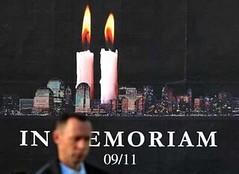
Kosovo commemorates anniversary of 9/11 terrorist attacks against US
Text of report in English by independent internet news agency KosovaLive
Prishtina [Pristina], 11 September: The representatives of the Kosova [Kosovo] institutions said today that even after five years of terrorist attacks in the United States, continues to promote peace and democracy in the whole world.
These comments came out today during a ceremony organized under the patronage of Kosova Prime Minister Agim Ceku in cooperation with the President's Office, Ministry of Culture, and the Prishtina Municipal Council.
Minister of Culture Astrit Haraqia said that this event shows once again the strong solidarity of Kosovars with the American people.
"Even today, America is proving to be promoter and protector of the world democracy," said Haraqia.
Haraqia said that Kosovar institutions have taken several initiatives to build an obelisk in honour of the 11 September victims.
On the other hand, Prishtina Mayor Ismet Beqiri evaluated that this event is even more painful having in mind that it has been addressed against a country which has done so much about Kosova and the accomplishment of the will of the Kosovar people.
Source: KosovaLive website, Pristina, in English 11 Sep 06
Prishtina [Pristina], 11 September: The representatives of the Kosova [Kosovo] institutions said today that even after five years of terrorist attacks in the United States, continues to promote peace and democracy in the whole world.
These comments came out today during a ceremony organized under the patronage of Kosova Prime Minister Agim Ceku in cooperation with the President's Office, Ministry of Culture, and the Prishtina Municipal Council.
Minister of Culture Astrit Haraqia said that this event shows once again the strong solidarity of Kosovars with the American people.
"Even today, America is proving to be promoter and protector of the world democracy," said Haraqia.
Haraqia said that Kosovar institutions have taken several initiatives to build an obelisk in honour of the 11 September victims.
On the other hand, Prishtina Mayor Ismet Beqiri evaluated that this event is even more painful having in mind that it has been addressed against a country which has done so much about Kosova and the accomplishment of the will of the Kosovar people.
Source: KosovaLive website, Pristina, in English 11 Sep 06
New Serb party in Kosovo pledges readiness to cooperate with Albanian majority
Text of report by Blerim Xhemajli entitled "'Realpolitik' in Serbian without Serbia" published by the Kosovo Albanian newspaper Koha Ditore on 4 September
Llapleselle [Laplje Selo], Prishtina [Pristina], 3 September: With moderate vocabulary and without pomposity, Slobodan Petrovic, founder of the Independent Liberal Party [Serbian: Nezavisna Liberalna Stranka] received the necessary support to lead the party, which was established a month ago with its headquarters in Mitrovice [Kosovska Mitrovica]. At the first working convention held in Llapleselle (central Kosova [Kosovo]) Petrovic received 103 of the 105 attending delegates' votes. It turned out that his party programme was generally acceptable.
Speaking all the time about the future, without making excuses for the past, Petrovic did not make a single reference in his speech and programme to Belgrade or Serbia, nor did he curse the Albanian majority.
"We have not yet destroyed the bridge that links us with the catastrophic past. It still hurts us. If we could have stopped the evil, if we could have prevented the bad people from doing bad things, we would never have reached the unfavourable position that we are in now as Serbs in Kosova," he said during his speech. He also explained to our newspaper why he did not mention Belgrade.
"We do not need to mention Belgrade, because it is known that the Kosova Serbs have a natural connection with Serbia. It is important to say and for it to be known that we live in Kosova, and we want to hear the voice of the people living in Kosova," he said after the convention.
"We have our own policy; we are registered in Kosova, and if we want to implement this [policy], we must take into consideration the people who live here, and this in no way suggests that we are against Prishtina or Belgrade."
Petrovic admits that the Independent Liberal Party is perhaps the only party that equally supports the negotiating teams of Kosova and Belgrade.
"We hope that a comprise solution, for the good of the people living in Kosova and not only for the international community, will be found," he said.
According to him, the Independent Liberal Party has three basic principles in its programme. "Survival of the Serbs in Kosova, no matter what Kosova's status turns out to be; improvement of the living conditions for all in Kosova, which would be a condition for the real return of the people who are outside the territory of Kosova against their own will; and we stand for a multiethnic Kosova: we do not assess people on a national basis but on the basis of what they can do," he said.
"Kosova is a multiethnic place and we are aware that a solution for the Serb community in Kosova cannot be found without the Albanian majority," the Independent Liberal Party leader said, pledging willingness for cooperation with the Albanian political parties "to promote the well-being of all the people living in Kosova".
Despite his insistence on avoiding the topic of day-to-day politics, which now focuses exclusively on the status issue, Petrovic admitted to our newspaper that it is not true that his party is committed to Kosova's independence, though opposing it is unrealistic.
"I have to say that we do not support Kosova's independence, wishing for something different. We want something else, and we definitely expect something else. So, we are a new party, and it is the content, and not the form, that interests us. We are interested in seeing what that independent Kosova will contain. This is much more important than whether Kosova is independent or not," said Petrovic.
"We are the only Serb party that is ready to become involved in elections and institutions, and we want, together with the Albanian majority, to find solutions that will be beneficial for the people in Kosova. There are no problems with this." According to Petrovic, this is the party orientation, whose programme was unanimously approved by the delegates attending the convention.
The Independent Liberal Party convention elected three deputy chairmen, one of which is Ajdar Iljazi, representing the Goran community. A party presidency, a steering council, and a court of honour were also elected. Two representatives of the Goran community are also members of these bodies.
According to Petrovic, this proves that the Independent Liberal Party "is not only a party for the Serbs, but for a multiethnic Kosova".
Attending the convention were mainly young delegates. Oliver Ivanovic, leader of the Serb List for Kosova, who is also chairman of the Kosova branch of the Social Democratic Party of Serbia, addressed the convention. Ivanovic, too, admitted that the time of big words has gone.
Source: Koha Ditore, Pristina, in Albanian 4 Sep 06
Llapleselle [Laplje Selo], Prishtina [Pristina], 3 September: With moderate vocabulary and without pomposity, Slobodan Petrovic, founder of the Independent Liberal Party [Serbian: Nezavisna Liberalna Stranka] received the necessary support to lead the party, which was established a month ago with its headquarters in Mitrovice [Kosovska Mitrovica]. At the first working convention held in Llapleselle (central Kosova [Kosovo]) Petrovic received 103 of the 105 attending delegates' votes. It turned out that his party programme was generally acceptable.
Speaking all the time about the future, without making excuses for the past, Petrovic did not make a single reference in his speech and programme to Belgrade or Serbia, nor did he curse the Albanian majority.
"We have not yet destroyed the bridge that links us with the catastrophic past. It still hurts us. If we could have stopped the evil, if we could have prevented the bad people from doing bad things, we would never have reached the unfavourable position that we are in now as Serbs in Kosova," he said during his speech. He also explained to our newspaper why he did not mention Belgrade.
"We do not need to mention Belgrade, because it is known that the Kosova Serbs have a natural connection with Serbia. It is important to say and for it to be known that we live in Kosova, and we want to hear the voice of the people living in Kosova," he said after the convention.
"We have our own policy; we are registered in Kosova, and if we want to implement this [policy], we must take into consideration the people who live here, and this in no way suggests that we are against Prishtina or Belgrade."
Petrovic admits that the Independent Liberal Party is perhaps the only party that equally supports the negotiating teams of Kosova and Belgrade.
"We hope that a comprise solution, for the good of the people living in Kosova and not only for the international community, will be found," he said.
According to him, the Independent Liberal Party has three basic principles in its programme. "Survival of the Serbs in Kosova, no matter what Kosova's status turns out to be; improvement of the living conditions for all in Kosova, which would be a condition for the real return of the people who are outside the territory of Kosova against their own will; and we stand for a multiethnic Kosova: we do not assess people on a national basis but on the basis of what they can do," he said.
"Kosova is a multiethnic place and we are aware that a solution for the Serb community in Kosova cannot be found without the Albanian majority," the Independent Liberal Party leader said, pledging willingness for cooperation with the Albanian political parties "to promote the well-being of all the people living in Kosova".
Despite his insistence on avoiding the topic of day-to-day politics, which now focuses exclusively on the status issue, Petrovic admitted to our newspaper that it is not true that his party is committed to Kosova's independence, though opposing it is unrealistic.
"I have to say that we do not support Kosova's independence, wishing for something different. We want something else, and we definitely expect something else. So, we are a new party, and it is the content, and not the form, that interests us. We are interested in seeing what that independent Kosova will contain. This is much more important than whether Kosova is independent or not," said Petrovic.
"We are the only Serb party that is ready to become involved in elections and institutions, and we want, together with the Albanian majority, to find solutions that will be beneficial for the people in Kosova. There are no problems with this." According to Petrovic, this is the party orientation, whose programme was unanimously approved by the delegates attending the convention.
The Independent Liberal Party convention elected three deputy chairmen, one of which is Ajdar Iljazi, representing the Goran community. A party presidency, a steering council, and a court of honour were also elected. Two representatives of the Goran community are also members of these bodies.
According to Petrovic, this proves that the Independent Liberal Party "is not only a party for the Serbs, but for a multiethnic Kosova".
Attending the convention were mainly young delegates. Oliver Ivanovic, leader of the Serb List for Kosova, who is also chairman of the Kosova branch of the Social Democratic Party of Serbia, addressed the convention. Ivanovic, too, admitted that the time of big words has gone.
Source: Koha Ditore, Pristina, in Albanian 4 Sep 06

UN vote on Kosovo possible in 2006 -- governor
PRISTINA, Serbia, Sept 11 (Reuters) - The new U.N. chief in Kosovo said on Monday it was possible the U.N. Security Council would vote on the fate of Serbia's breakaway province by the end of the year and reports of delay were "speculation".
German diplomat Joachim Ruecker said U.N. mediator Martti Ahtisaari was on course to make his proposal on Kosovo's "final status" within the next three months. A new U.N. Security Council resolution could swiftly follow, he told Reuters.
Ruecker, who took the reins of the U.N. mission on Sept. 1, said Belgrade should be "more realistic" on the likely outcome, and warned against any Serb bid to split the province in two.
"If we continue to assume, and I think it's a good assumption, that Ahtisaari will be able to meet the timelines as intended, then I wouldn't even exclude that we have a Security Council resolution by the end of the year," said Ruecker.
"Everybody knows that there are risks of delay. Part of our job here is certainly expectation management," said Ruecker, the sixth U.N. governor in Kosovo since 1999.
Kosovo's ethnic Albanian leaders are promising independence from Serbia on Jan. 1, 2007, almost eight years after NATO's first "humanitarian" air war drove out Serb forces accused of ethnic cleansing and the United Nations took control.
The West too says it wants a decision within the year, wary of growing Albanian impatience and the risk of violence in a territory still patrolled by 16,000 NATO-led peacekeepers.
But there has been little hint of a breakthrough in direct talks that began in February in Vienna, focusing so far on the rights and security of the 100,000 remaining Serbs.
Western diplomats say the deadline stands, but shifting international priorities and reports of imminent elections in Serbia have fuelled speculation about a possible delay.
"It would be a real risk if the momentum was lost," said Ruecker, whose previous job was to revive Kosovo's crippled economy and tackle unemployment of more than 50 percent. He said there was "some truth" to what he described as the oft-cited equation: "delay equals destabilisation".
ETHNICALLY DIVIDED
A vote at the U.N. Security Council assumes the support or abstention of veto-holder and traditional Serb ally Russia.
Moscow has cautioned against setting "artificial deadlines".
But as a member of the Contact Group of world powers setting policy on Kosovo it has signed up to a series of guiding principles. They state that the outcome must be acceptable to Kosovo's 2 million people, 90 percent of whom are ethnic Albanians who demand nothing less than independence.
Western diplomats say some form of independence is likely, under European Union and NATO supervision for years to come.
Belgrade has shown little sign of consenting to the amputation of land many Serbs consider the cradle of their nation. Independence is regularly dismissed as a violation of international law and a threat to regional stability.
Ruecker said Belgrade should be "more realistic" in explaining the situation to Serbs. The Contact Group principles, he said, "predetermine to a certain degree the outcome."
Some 10,000 ethnic Albanians died and 800,000 were expelled in Serbia's 1998-99 war against separatist guerrillas. NATO's deployment in June 1999 coincided with a wave of revenge attacks that saw at least half the Kosovo Serb population flee.
Those who remain fear for the future. The risk is that the mainly Serb north may seek partition, a move the West believes could reignite old conflicts in south Serbia and Macedonia.
Ruecker said it was "inconceiveable that the international community would allow an ethnically divided Kosovo to be the outcome of seven years of international administration."
German diplomat Joachim Ruecker said U.N. mediator Martti Ahtisaari was on course to make his proposal on Kosovo's "final status" within the next three months. A new U.N. Security Council resolution could swiftly follow, he told Reuters.
Ruecker, who took the reins of the U.N. mission on Sept. 1, said Belgrade should be "more realistic" on the likely outcome, and warned against any Serb bid to split the province in two.
"If we continue to assume, and I think it's a good assumption, that Ahtisaari will be able to meet the timelines as intended, then I wouldn't even exclude that we have a Security Council resolution by the end of the year," said Ruecker.
"Everybody knows that there are risks of delay. Part of our job here is certainly expectation management," said Ruecker, the sixth U.N. governor in Kosovo since 1999.
Kosovo's ethnic Albanian leaders are promising independence from Serbia on Jan. 1, 2007, almost eight years after NATO's first "humanitarian" air war drove out Serb forces accused of ethnic cleansing and the United Nations took control.
The West too says it wants a decision within the year, wary of growing Albanian impatience and the risk of violence in a territory still patrolled by 16,000 NATO-led peacekeepers.
But there has been little hint of a breakthrough in direct talks that began in February in Vienna, focusing so far on the rights and security of the 100,000 remaining Serbs.
Western diplomats say the deadline stands, but shifting international priorities and reports of imminent elections in Serbia have fuelled speculation about a possible delay.
"It would be a real risk if the momentum was lost," said Ruecker, whose previous job was to revive Kosovo's crippled economy and tackle unemployment of more than 50 percent. He said there was "some truth" to what he described as the oft-cited equation: "delay equals destabilisation".
ETHNICALLY DIVIDED
A vote at the U.N. Security Council assumes the support or abstention of veto-holder and traditional Serb ally Russia.
Moscow has cautioned against setting "artificial deadlines".
But as a member of the Contact Group of world powers setting policy on Kosovo it has signed up to a series of guiding principles. They state that the outcome must be acceptable to Kosovo's 2 million people, 90 percent of whom are ethnic Albanians who demand nothing less than independence.
Western diplomats say some form of independence is likely, under European Union and NATO supervision for years to come.
Belgrade has shown little sign of consenting to the amputation of land many Serbs consider the cradle of their nation. Independence is regularly dismissed as a violation of international law and a threat to regional stability.
Ruecker said Belgrade should be "more realistic" in explaining the situation to Serbs. The Contact Group principles, he said, "predetermine to a certain degree the outcome."
Some 10,000 ethnic Albanians died and 800,000 were expelled in Serbia's 1998-99 war against separatist guerrillas. NATO's deployment in June 1999 coincided with a wave of revenge attacks that saw at least half the Kosovo Serb population flee.
Those who remain fear for the future. The risk is that the mainly Serb north may seek partition, a move the West believes could reignite old conflicts in south Serbia and Macedonia.
Ruecker said it was "inconceiveable that the international community would allow an ethnically divided Kosovo to be the outcome of seven years of international administration."
Sunday, September 10, 2006
Kosovo Serb villagers optimistic about return, coexistence with Albanians
Text of report in English by independent internet news agency KosovaLive
Ferizaj [Urosevac], 8 September: Serbs from the village of Babush [Babus] in Ferizaj told the Kfor [Kosovo Force] commander, General Roland Kather, that that they are optimistic for their return and establishment of coexistence with Albanians.
They evaluated as successful the project for village reconstruction, which is considered to be the biggest project of this kind in Kosova [Kosovo].
"We are satisfied with the rebuilding of the houses, the project was respected, and we can say that 60 to 70 per cent of us will have better and much modern houses," said Miroslav Prlincevic, a local resident from Babush.
But on behalf of other villagers he called on the opening of a police station in the village, which is to consist of Albanians and Serbs.
"Because it is the first time that Serb population is returning to a Serb village in Kosova," said Prlincevic, hoping that this will be an example to other villages as well.
Kfor Commander Kather has promised the Serbs of Babush that he will make all possible efforts to provide security to them, adding that he is aware of their suffering however they should turn towards the future.
Mayor of Ferizaj, Faik Grainca has presented a plan, according to which the return of Serbs will be completed by November 2006.
Source: KosovaLive website, Pristina, in English 8 Sep 06
Ferizaj [Urosevac], 8 September: Serbs from the village of Babush [Babus] in Ferizaj told the Kfor [Kosovo Force] commander, General Roland Kather, that that they are optimistic for their return and establishment of coexistence with Albanians.
They evaluated as successful the project for village reconstruction, which is considered to be the biggest project of this kind in Kosova [Kosovo].
"We are satisfied with the rebuilding of the houses, the project was respected, and we can say that 60 to 70 per cent of us will have better and much modern houses," said Miroslav Prlincevic, a local resident from Babush.
But on behalf of other villagers he called on the opening of a police station in the village, which is to consist of Albanians and Serbs.
"Because it is the first time that Serb population is returning to a Serb village in Kosova," said Prlincevic, hoping that this will be an example to other villages as well.
Kfor Commander Kather has promised the Serbs of Babush that he will make all possible efforts to provide security to them, adding that he is aware of their suffering however they should turn towards the future.
Mayor of Ferizaj, Faik Grainca has presented a plan, according to which the return of Serbs will be completed by November 2006.
Source: KosovaLive website, Pristina, in English 8 Sep 06
UNMIK will no longer be present in Kosovo in a year from now - UNMIK chief
Text of report by Radio-Television Kosovo TV website on 8 September
A solution for the Kosova [Kosovo] issue will be achieved by the end of this year, UNMIK [UN Interim Administration Mission in Kosovo] chief Joachim Ruecker has said. He assessed that the foundations of a functioning market economy have been laid in Kosova. The post-status international presence in Kosova will be smaller than UNMIK and there will be a continuation of sufficient military presence to prevent possible risks in Kosova for a certain period of time.
Ruecker did not divulge what the status of Kosova will be, but he pointed to the Contact Group principles of no partition, no unification with other states and no return of Kosova to the pre-1999 situation.
Bearing in mind these Contact Group principles, one can foresee how the future status of Kosova will look, Ruecker added. He also reiterated that the decision on status will reflect the will of the majority population in Kosova. The situation in Kosova is stable; of course there are always risks, but generally the democratic process is functioning, UNMIK chief Joachim Ruecker concluded.
Source: RTK TV website, Pristina, in Albanian 8 Sep 06
A solution for the Kosova [Kosovo] issue will be achieved by the end of this year, UNMIK [UN Interim Administration Mission in Kosovo] chief Joachim Ruecker has said. He assessed that the foundations of a functioning market economy have been laid in Kosova. The post-status international presence in Kosova will be smaller than UNMIK and there will be a continuation of sufficient military presence to prevent possible risks in Kosova for a certain period of time.
Ruecker did not divulge what the status of Kosova will be, but he pointed to the Contact Group principles of no partition, no unification with other states and no return of Kosova to the pre-1999 situation.
Bearing in mind these Contact Group principles, one can foresee how the future status of Kosova will look, Ruecker added. He also reiterated that the decision on status will reflect the will of the majority population in Kosova. The situation in Kosova is stable; of course there are always risks, but generally the democratic process is functioning, UNMIK chief Joachim Ruecker concluded.
Source: RTK TV website, Pristina, in Albanian 8 Sep 06
Friday, September 08, 2006
Montenegro has its favorite son
By Nicholas Wood International Herald Tribune
FRIDAY, SEPTEMBER 8, 2006
PODGORICA, Montenegro With Montenegrins going to the polls on Sunday, few here have any doubt about the winner. For 15 years, Milo Djukanovic, the Balkans' longest-serving political leader, has dominated politics in this tiny state and is likely to keep power as prime minister after the votes for Parliament are counted.
Buoyed by his success in May, when voters opted in a referendum to form an independent state and break away from Serbia, the prime minister's two-party alliance seems likely to win about 45 percent of the vote, well ahead of the rest of the field, according to various opinion polls.
On Sunday, 480,000 people are eligible to vote for 81 parliamentary seats. The margin of victory will dictate the shape of the next government, but whatever the exact composition, most commentators agree that Djukanovic will be in a position to lead Montenegro into a new era, no longer dogged by the issues of the former Yugoslavia.
Separated from Serbia, Montenegro now sees itself free of the problems that have beset its neighbor in its quest for international acceptance, most notably cooperation on the hunt for war criminals, as well as the tricky question of the future of the Serbian province of Kosovo, which the United Nations administers. Instead, Montenegro's next government will be free to focus on the more tedious process of integration into the European Union.
Djukanovic, a young apparatchik in the Yugoslav Communist Party in the late 1980s, weaved his way through the last 15 years, forming alliances with the Serb leader, Slobodan Milosevic, and the West, and all the while he served as either president or prime minister, a position he first held at the age of 29 in 1991.
Now, after a lackluster campaign, so soon after the election on secession, Djukanovic has tried to depict himself as the inevitable leader of a country heading toward membership in the EU.
This election is "the second leg of the match we played up to May 21," he told supporters last month referring to the referendum on independence, adding, "After winning back our home at the referendum, at these elections we should pick a responsible caretaker."
Repeated suggestions he made during the May referendum campaign that he would step down from office before this election appear to have been forgotten.
But while Djukanovic has emphasized that Montenegro is ready to focus on its future, diplomats say it will have a tough time as it seeks to reshape its image as a new European-oriented state. Its tiny size - it has a population of just 650,000 people - has raised a question over its capacity to complete the complex and highly technical EU application process, and its reputation for corruption is an albatross
The government's reputed involvement in organized crime, including extensive cigarette smuggling, earned Montenegro one of the worst reputations for corruption in the Balkans.
Djukanovic's government was named in a European Union suit launched against U.S. tobacco makers for alleged collusion in cigarette smuggling. Philip Morris agreed to pay $1.25 billion in an out-of-court settlement with the EU in 2004 and agreed to crack down on the smuggling.
While Montenegro was an ally of the West pitted against Milosevic's Serbia, scant pressure was brought against it to end the smuggling, which many citizens regarded as a key source of revenue. In 2004 an Italian court issued an arrest warrant for Djukanovic in connection with the smuggling, a warrant that is still outstanding. Djukanovic dismisses the charges as politically motivated.
Now most analysts here agree the smuggling has stopped, but opposition politicians charge that Djukanovic and his allies have grown rich while in power and have little interest in real economic reform.
Nejbojsa Medojevic, the leader of the Movement for Changes, a new opposition party that has campaigned on anti- corruption platform, said: "Djukanovic is directly linked to the financial oligarchy in Montenegro.
"Their interests are opposed to European standards. If Djukanovic wins the elections, EU integration will go very, very slowly."
In a twist to the election campaign, a state prosecutor announced an investigation Thursday into Medojevic's purchase of an apartment in Podgorica, which Medojevic calls that a smear to discredit him before the voting. Opinion polls indicate that Medojevic is popular but is unlikely to win enough votes to rival Djukanovic.
Other Balkan nations have their own corruption problems. Croatia and Macedonia are beset by similar problems, said James Lyon, an analyst with the International Crisis Group, and both countries already have European Union candidate status.
"Basically if you look at the rest of the region it is exactly the same," said Lyon. "The difference in these larger countries it is easier to hide."
The quality of Montenegro's administration is likely to be a tougher problem to tackle. There are, for example, no precise figures on the number of government employees, which range from 5,000 to 30,000.
Vanja Calovic, executive director of MANS, a group that is lobbying for government and administrative overhaul, said, "We are a really small country, so we have a few government employees and on the other side our system of education does not prepare people do their jobs sufficiently well."
But to make progress on reform, said a European Commission official, who spoke on condition of anonymity, "Absolutely the main is issue is administrative capacity.
"They know it, we know it."
FRIDAY, SEPTEMBER 8, 2006
PODGORICA, Montenegro With Montenegrins going to the polls on Sunday, few here have any doubt about the winner. For 15 years, Milo Djukanovic, the Balkans' longest-serving political leader, has dominated politics in this tiny state and is likely to keep power as prime minister after the votes for Parliament are counted.
Buoyed by his success in May, when voters opted in a referendum to form an independent state and break away from Serbia, the prime minister's two-party alliance seems likely to win about 45 percent of the vote, well ahead of the rest of the field, according to various opinion polls.
On Sunday, 480,000 people are eligible to vote for 81 parliamentary seats. The margin of victory will dictate the shape of the next government, but whatever the exact composition, most commentators agree that Djukanovic will be in a position to lead Montenegro into a new era, no longer dogged by the issues of the former Yugoslavia.
Separated from Serbia, Montenegro now sees itself free of the problems that have beset its neighbor in its quest for international acceptance, most notably cooperation on the hunt for war criminals, as well as the tricky question of the future of the Serbian province of Kosovo, which the United Nations administers. Instead, Montenegro's next government will be free to focus on the more tedious process of integration into the European Union.
Djukanovic, a young apparatchik in the Yugoslav Communist Party in the late 1980s, weaved his way through the last 15 years, forming alliances with the Serb leader, Slobodan Milosevic, and the West, and all the while he served as either president or prime minister, a position he first held at the age of 29 in 1991.
Now, after a lackluster campaign, so soon after the election on secession, Djukanovic has tried to depict himself as the inevitable leader of a country heading toward membership in the EU.
This election is "the second leg of the match we played up to May 21," he told supporters last month referring to the referendum on independence, adding, "After winning back our home at the referendum, at these elections we should pick a responsible caretaker."
Repeated suggestions he made during the May referendum campaign that he would step down from office before this election appear to have been forgotten.
But while Djukanovic has emphasized that Montenegro is ready to focus on its future, diplomats say it will have a tough time as it seeks to reshape its image as a new European-oriented state. Its tiny size - it has a population of just 650,000 people - has raised a question over its capacity to complete the complex and highly technical EU application process, and its reputation for corruption is an albatross
The government's reputed involvement in organized crime, including extensive cigarette smuggling, earned Montenegro one of the worst reputations for corruption in the Balkans.
Djukanovic's government was named in a European Union suit launched against U.S. tobacco makers for alleged collusion in cigarette smuggling. Philip Morris agreed to pay $1.25 billion in an out-of-court settlement with the EU in 2004 and agreed to crack down on the smuggling.
While Montenegro was an ally of the West pitted against Milosevic's Serbia, scant pressure was brought against it to end the smuggling, which many citizens regarded as a key source of revenue. In 2004 an Italian court issued an arrest warrant for Djukanovic in connection with the smuggling, a warrant that is still outstanding. Djukanovic dismisses the charges as politically motivated.
Now most analysts here agree the smuggling has stopped, but opposition politicians charge that Djukanovic and his allies have grown rich while in power and have little interest in real economic reform.
Nejbojsa Medojevic, the leader of the Movement for Changes, a new opposition party that has campaigned on anti- corruption platform, said: "Djukanovic is directly linked to the financial oligarchy in Montenegro.
"Their interests are opposed to European standards. If Djukanovic wins the elections, EU integration will go very, very slowly."
In a twist to the election campaign, a state prosecutor announced an investigation Thursday into Medojevic's purchase of an apartment in Podgorica, which Medojevic calls that a smear to discredit him before the voting. Opinion polls indicate that Medojevic is popular but is unlikely to win enough votes to rival Djukanovic.
Other Balkan nations have their own corruption problems. Croatia and Macedonia are beset by similar problems, said James Lyon, an analyst with the International Crisis Group, and both countries already have European Union candidate status.
"Basically if you look at the rest of the region it is exactly the same," said Lyon. "The difference in these larger countries it is easier to hide."
The quality of Montenegro's administration is likely to be a tougher problem to tackle. There are, for example, no precise figures on the number of government employees, which range from 5,000 to 30,000.
Vanja Calovic, executive director of MANS, a group that is lobbying for government and administrative overhaul, said, "We are a really small country, so we have a few government employees and on the other side our system of education does not prepare people do their jobs sufficiently well."
But to make progress on reform, said a European Commission official, who spoke on condition of anonymity, "Absolutely the main is issue is administrative capacity.
"They know it, we know it."
Serbs, Albanians agree on Kosovo churches
VIENNA, Sept. 8 (UPI) -- Serbian officials and ethnic-Albanian leaders say they are satisfied with Friday's talks in Vienna on the protection of churches in Serbia's Kosovo province.
The session on establishing protection zones around Serbian churches and monasteries was one of very few successful rounds of the U.N.-led talks, begun in February in Vienna on the final status of the predominantly ethnic-Albanian Kosovo province.
Serbian and Albanian negotiators were positive about the round of talks on the protection of religious and cultural sites in Kosovo, Belgrade's Beta news agency reported.
Kosovo is formally part of Serbia, but since 1999 ethnic hostilities the province has been under the U.N. administration and NATO troops' protection.
The ongoing talks should decide who will govern Kosovo once U.N. and NATO personnel leave.
Ethnic-Albanians, who make up 90 percent of Kosovo's 1.8 million population, insist on Kosovo independent of the Serbian government in Belgrade. Serbia's leaders, who represent some 100,000 Serbs in Kosovo, reject any independent status and offer a high degree of autonomy for the province.
The session on establishing protection zones around Serbian churches and monasteries was one of very few successful rounds of the U.N.-led talks, begun in February in Vienna on the final status of the predominantly ethnic-Albanian Kosovo province.
Serbian and Albanian negotiators were positive about the round of talks on the protection of religious and cultural sites in Kosovo, Belgrade's Beta news agency reported.
Kosovo is formally part of Serbia, but since 1999 ethnic hostilities the province has been under the U.N. administration and NATO troops' protection.
The ongoing talks should decide who will govern Kosovo once U.N. and NATO personnel leave.
Ethnic-Albanians, who make up 90 percent of Kosovo's 1.8 million population, insist on Kosovo independent of the Serbian government in Belgrade. Serbia's leaders, who represent some 100,000 Serbs in Kosovo, reject any independent status and offer a high degree of autonomy for the province.
UN says time for concessions in Kosovo talks
VIENNA, Sept 8 (Reuters) - The United Nations told Serbia on Friday the time had come to make concessions in talks on the future of its breakaway province of Kosovo, after seven months of near fruitless discussion.
U.N. deputy envoy Albert Rohan made the appeal after the latest round of direct talks between Serbia and leaders of Kosovo's ethnic Albanian majority in Vienna. The West wants a deal this year, with the Albanians pushing for independence.
"The bad news is that not much progress has been achieved," Rohan told a news conference. "We have discussed everything, and the time for concessions has come."
The two-day meeting focused on self-government for the Serb minority and protection for Kosovo's rich Serb Orthodox religious heritage -- so-called technical issues that have dominated discussion so far.
Rohan said the Albanians had "really moved" on these issues. "The same is unfortunately not the case with the other party."
Legally part of Serbia, Kosovo has been run by the United Nations since 1999, when a NATO bombing campaign drove out Serb forces accused of ethnic cleansing in a two-year war with separatist guerrillas.
Some 10,000 Albanians died and 800,000 were expelled. A wave of revenge attacks after the war saw around half the Serb population flee. The 100,000 who stayed feel marginalised and under threat, targeted by sporadic violence.
Under pressure to prove their commitment to minority rights, Kosovo Albanian negotiators have dug deep to offer Serbs the institutional guarantees of a better life, diplomats say.
But Belgrade is demanding more.
Western diplomats say some form of independence for Kosovo is likely, with or without Serbian consent.
In the absence of agreement, chief envoy Martti Ahtisaari hopes to at least have a framework for how to improve life for the 100,000 remaining Serbs and protect scores of Serb Orthodox churches and monasteries.
U.N. officials say the technical talks are stuck on the number, size and powers of proposed new Serb municipalities, and Belgrade's role in supporting them.
"There were a number of minor advances, but no big leap," said Rohan.
Ahtisaari leaves next week for a series of meeting at U.N. headquarters in New York. Sources close to his office say the former Finnish president will make his proposal by November.
The Vienna talks resume on September 15.
U.N. deputy envoy Albert Rohan made the appeal after the latest round of direct talks between Serbia and leaders of Kosovo's ethnic Albanian majority in Vienna. The West wants a deal this year, with the Albanians pushing for independence.
"The bad news is that not much progress has been achieved," Rohan told a news conference. "We have discussed everything, and the time for concessions has come."
The two-day meeting focused on self-government for the Serb minority and protection for Kosovo's rich Serb Orthodox religious heritage -- so-called technical issues that have dominated discussion so far.
Rohan said the Albanians had "really moved" on these issues. "The same is unfortunately not the case with the other party."
Legally part of Serbia, Kosovo has been run by the United Nations since 1999, when a NATO bombing campaign drove out Serb forces accused of ethnic cleansing in a two-year war with separatist guerrillas.
Some 10,000 Albanians died and 800,000 were expelled. A wave of revenge attacks after the war saw around half the Serb population flee. The 100,000 who stayed feel marginalised and under threat, targeted by sporadic violence.
Under pressure to prove their commitment to minority rights, Kosovo Albanian negotiators have dug deep to offer Serbs the institutional guarantees of a better life, diplomats say.
But Belgrade is demanding more.
Western diplomats say some form of independence for Kosovo is likely, with or without Serbian consent.
In the absence of agreement, chief envoy Martti Ahtisaari hopes to at least have a framework for how to improve life for the 100,000 remaining Serbs and protect scores of Serb Orthodox churches and monasteries.
U.N. officials say the technical talks are stuck on the number, size and powers of proposed new Serb municipalities, and Belgrade's role in supporting them.
"There were a number of minor advances, but no big leap," said Rohan.
Ahtisaari leaves next week for a series of meeting at U.N. headquarters in New York. Sources close to his office say the former Finnish president will make his proposal by November.
The Vienna talks resume on September 15.
Serbian president says talks with Cheney as good and analytical
Text of report by Serbian radio on 8 September
Boris Tadic last night met US Vice President Dick Cheney, when the main topic of their meeting was the question of Kosovo-Metohija [Kosmet]. In spite of differences in opinion, Tadic called for a compromise solution to the province's status. Nenad Zafirovic reports from Washington.
[Reporter] Tadic described the discussion as good and analytical. We carefully examined the processes and time limits with regard to the talks on Kosmet, political stability and processes in the Balkans, not only in Serbia, said Tadic. He said his arguments were very well received, but declined to prejudge anything, since the talks in Washington are expected to give results in the period ahead. Tadic expressed concern that in all his meetings in Washington, including that with Secretary of State Condoleezza Rice, the opinion prevailed that Kosovo should be granted some form of independence. On the other hand, Serbia strongly defends its legitimate position, which is opposition to Kosmet's independence and preservation of the country's sovereignty and territorial integrity, said Tadic. I expect the stances that I expressed on behalf of the state of Serbia will be an object of separate analyses and there is a possibility that Washington's current position might change with regard to the Kosovo status talks, said Tadic.
Source: Radio Belgrade in Serbian 1300 gmt 8 Sep 06
Boris Tadic last night met US Vice President Dick Cheney, when the main topic of their meeting was the question of Kosovo-Metohija [Kosmet]. In spite of differences in opinion, Tadic called for a compromise solution to the province's status. Nenad Zafirovic reports from Washington.
[Reporter] Tadic described the discussion as good and analytical. We carefully examined the processes and time limits with regard to the talks on Kosmet, political stability and processes in the Balkans, not only in Serbia, said Tadic. He said his arguments were very well received, but declined to prejudge anything, since the talks in Washington are expected to give results in the period ahead. Tadic expressed concern that in all his meetings in Washington, including that with Secretary of State Condoleezza Rice, the opinion prevailed that Kosovo should be granted some form of independence. On the other hand, Serbia strongly defends its legitimate position, which is opposition to Kosmet's independence and preservation of the country's sovereignty and territorial integrity, said Tadic. I expect the stances that I expressed on behalf of the state of Serbia will be an object of separate analyses and there is a possibility that Washington's current position might change with regard to the Kosovo status talks, said Tadic.
Source: Radio Belgrade in Serbian 1300 gmt 8 Sep 06
Serbian president satisfied with "constructive" meetings with US officials
Text of interview with Serbian President Boris Tadic by RTS correspondent Nenad Zafirovic in Washington, broadcast by Serbian TV on 7 September
[Zafirovic] Good evening, Mr President. We have just seen the report on the signing of the SOFA agreement between yourself and Secretary of State Condoleezza Rice. Could you tell us what SOFA [status of American forces] means?
[Tadic] It is a contract that the United States signs with every country that it wants to develop a strategic partnership with in defence and security. It is a prerequisite for future cooperation between our armed forces and those of the United States.
After this, the entire delegation is leaving for Ohio tomorrow where we will sign a new agreement on cooperation between the National Guard of Ohio and our armed forces. Senator Voinovich contributed a lot to this. It will have a practicable impact on training and new experience for our officers and soldiers, enhance the operability and the quality of our armed forces, and prepare not only for operations at home but for peacekeeping operations all over the world. This way our country will gain new credibility, we will become a country that is not only an importer of security, but an exporter of security as well. Thus we will not be in a situation where someone is always taking care of us, but possibly able to take care about someone else, and thereby boost Serbia's new ratings for foreign investments and finally, this is favourable for the living standards of citizens.
[Zafirovic] In addition to signing the agreement, you spoke with Rice for nearly 40 minutes. I suppose Kosovo-Metohija was the main topic. Yesterday you said that after the talks on Capitol Hill you felt that Washington was gradually forming an opinion that Kosovo should be granted some form of independence. Was this Rice's view and what arguments did you present against this stance?
[Tadic] This kind of opinion prevailed in all my meetings in Washington and we should be frank about this to our public. On the other hand, Serbia is defending its legitimate position with all its strength, which is to oppose the independence of Kosmet and preserve the country's territorial integrity and sovereignty. I said this frankly to our collocutors but I also said that Serbia was more than interested in strategic partnership with the United States, keeping in mind this country's importance in the world, the fact that it accounts for nearly 50 per cent of the world economy, that it manages many crises in the world, and that the word of the United States is very important for future membership of the European Union. I believe it is very much in Serbia's interest to have the best possible relations with Washington, and that is why I am here today, that is why we had state delegations some time ago which also represented Serbia's stance, not only on Kosovo but on bilateral relations with the United States. That was a very constructive meeting, as all the meetings I have had so far. I expect the meeting with Vice President Cheney will be so as well. It was a very forthright discussion, even when we expressed differences, we found constructive solutions for our future relations after the talks on Kosovo.
[Zafirovic] Before your departure from Belgrade, you said clearly that Washington and Belgrade must expand economic and military cooperation regardless of Kosovo. Do you think Washington understands this appeal and message?
[Tadic] I was absolutely assured of it today. It is an important message that I am carrying with me to Belgrade. I said I was not satisfied with the level of US investments in our economy and the number of jobs that have opened, even though US companies are in fact the biggest investors in Serbia, but there is room for much more. I am dissatisfied because a lot more could have been done in the previous period and that we have a lot of work to do in the economic aspect in the future. But in order for all this to happen we must have the closest relations with the United States and the Euro-Atlantic structure in the domain of defence, because no one will invest in a country which does not offer additional security. Today, it is Euro-Atlantic structures that offer this quality of safety and security for investments.
[Zafirovic] Thank you, Mr President.
[Tadic] Thank you.
Source: RTS 1 TV, Belgrade, in Serbian 1730 gmt 7 Sep 06
[Zafirovic] Good evening, Mr President. We have just seen the report on the signing of the SOFA agreement between yourself and Secretary of State Condoleezza Rice. Could you tell us what SOFA [status of American forces] means?
[Tadic] It is a contract that the United States signs with every country that it wants to develop a strategic partnership with in defence and security. It is a prerequisite for future cooperation between our armed forces and those of the United States.
After this, the entire delegation is leaving for Ohio tomorrow where we will sign a new agreement on cooperation between the National Guard of Ohio and our armed forces. Senator Voinovich contributed a lot to this. It will have a practicable impact on training and new experience for our officers and soldiers, enhance the operability and the quality of our armed forces, and prepare not only for operations at home but for peacekeeping operations all over the world. This way our country will gain new credibility, we will become a country that is not only an importer of security, but an exporter of security as well. Thus we will not be in a situation where someone is always taking care of us, but possibly able to take care about someone else, and thereby boost Serbia's new ratings for foreign investments and finally, this is favourable for the living standards of citizens.
[Zafirovic] In addition to signing the agreement, you spoke with Rice for nearly 40 minutes. I suppose Kosovo-Metohija was the main topic. Yesterday you said that after the talks on Capitol Hill you felt that Washington was gradually forming an opinion that Kosovo should be granted some form of independence. Was this Rice's view and what arguments did you present against this stance?
[Tadic] This kind of opinion prevailed in all my meetings in Washington and we should be frank about this to our public. On the other hand, Serbia is defending its legitimate position with all its strength, which is to oppose the independence of Kosmet and preserve the country's territorial integrity and sovereignty. I said this frankly to our collocutors but I also said that Serbia was more than interested in strategic partnership with the United States, keeping in mind this country's importance in the world, the fact that it accounts for nearly 50 per cent of the world economy, that it manages many crises in the world, and that the word of the United States is very important for future membership of the European Union. I believe it is very much in Serbia's interest to have the best possible relations with Washington, and that is why I am here today, that is why we had state delegations some time ago which also represented Serbia's stance, not only on Kosovo but on bilateral relations with the United States. That was a very constructive meeting, as all the meetings I have had so far. I expect the meeting with Vice President Cheney will be so as well. It was a very forthright discussion, even when we expressed differences, we found constructive solutions for our future relations after the talks on Kosovo.
[Zafirovic] Before your departure from Belgrade, you said clearly that Washington and Belgrade must expand economic and military cooperation regardless of Kosovo. Do you think Washington understands this appeal and message?
[Tadic] I was absolutely assured of it today. It is an important message that I am carrying with me to Belgrade. I said I was not satisfied with the level of US investments in our economy and the number of jobs that have opened, even though US companies are in fact the biggest investors in Serbia, but there is room for much more. I am dissatisfied because a lot more could have been done in the previous period and that we have a lot of work to do in the economic aspect in the future. But in order for all this to happen we must have the closest relations with the United States and the Euro-Atlantic structure in the domain of defence, because no one will invest in a country which does not offer additional security. Today, it is Euro-Atlantic structures that offer this quality of safety and security for investments.
[Zafirovic] Thank you, Mr President.
[Tadic] Thank you.
Source: RTS 1 TV, Belgrade, in Serbian 1730 gmt 7 Sep 06
Kosovo town of Gnjilane seeks resignation of status Negotiating Team
Text of report by Radio-Television Kosovo TV website on 7 September
The town of Gjilane [Gnjilane] is in a state of anxiety over decentralization on ethnic lines in Kosova [Kosovo]. The political parties and entities in the municipality - the LDK [Democratic League of Kosovo], PDK [Democratic Party of Kosovo], AAK [Alliance for the Future of Kosovo], ORA, Self Determination Movement and NGOs - are strongly opposed to the Kosova Negotiation Team and especially Deputy Prime Minister Lutfi Haziri, as the main instigator of the partition of Kosova.
The Protest Council said they are calling for the resignation of the Negotiating Team because they are against the proposal it put forward for the division of Gjilane and the creation of new municipalities based on ethnic lines.
The representatives of political and civil society have called on the citizens to join in a mass protest against decentralization to be held on Saturday [9 September]. Head of PDK in Gjilane Qemajl Mustafa stressed that the proposal for decentralization will wall in Gjilane into 400 sq km with a population of around 130,000, while the municipalities, with around 12,000 dwellers, will get 230 sq km of land. Decentralization will remove from Gjilane a very large piece of its territory, it will take away its arable land and water resources and the town will be left with nothing; in addition to such decentralization plans, the main communication roads will be shut down, Mustafa added.
Source: RTK TV website, Pristina, in Albanian 7 Sep 06
The town of Gjilane [Gnjilane] is in a state of anxiety over decentralization on ethnic lines in Kosova [Kosovo]. The political parties and entities in the municipality - the LDK [Democratic League of Kosovo], PDK [Democratic Party of Kosovo], AAK [Alliance for the Future of Kosovo], ORA, Self Determination Movement and NGOs - are strongly opposed to the Kosova Negotiation Team and especially Deputy Prime Minister Lutfi Haziri, as the main instigator of the partition of Kosova.
The Protest Council said they are calling for the resignation of the Negotiating Team because they are against the proposal it put forward for the division of Gjilane and the creation of new municipalities based on ethnic lines.
The representatives of political and civil society have called on the citizens to join in a mass protest against decentralization to be held on Saturday [9 September]. Head of PDK in Gjilane Qemajl Mustafa stressed that the proposal for decentralization will wall in Gjilane into 400 sq km with a population of around 130,000, while the municipalities, with around 12,000 dwellers, will get 230 sq km of land. Decentralization will remove from Gjilane a very large piece of its territory, it will take away its arable land and water resources and the town will be left with nothing; in addition to such decentralization plans, the main communication roads will be shut down, Mustafa added.
Source: RTK TV website, Pristina, in Albanian 7 Sep 06
Thursday, September 07, 2006
Serb municipalities to cover 15 per cent of Kosovo under decentralization
Text of report in English by independent internet news agency KosovaLive
Prishtina [Pristina], 6 September: Figures presented today during the Kosova [Kosovo] parliament session show that some 85.5 per cent of Kosova's territory will be administered by Albanians, whereas 14.5 per cent will be administered by the Serbs.
According to the minister of environment and spatial planning and member of the Political Strategic Group, Ardian Gjini, the Kosovar plan is not much different from the UNOSEK [UN Office of the Special Envoy of the Secretary General for the future status process for Kosovo] plan.
"Municipalities with majority Albanians in Kosova will manage some 85.62 per cent of the territory or some 9,300 square kilometres," said Minister Gjini, adding that between Kosovar and UNOSEK plan there is a difference of 1 per cent only.
Ardian Gjini also focused on the issue of special protection zones around Orthodox religious sites in Kosova, as well as on the activities which will be allowed to take place in these zones.
Source: KosovaLive website, Pristina, in English 6 Sep 06
Prishtina [Pristina], 6 September: Figures presented today during the Kosova [Kosovo] parliament session show that some 85.5 per cent of Kosova's territory will be administered by Albanians, whereas 14.5 per cent will be administered by the Serbs.
According to the minister of environment and spatial planning and member of the Political Strategic Group, Ardian Gjini, the Kosovar plan is not much different from the UNOSEK [UN Office of the Special Envoy of the Secretary General for the future status process for Kosovo] plan.
"Municipalities with majority Albanians in Kosova will manage some 85.62 per cent of the territory or some 9,300 square kilometres," said Minister Gjini, adding that between Kosovar and UNOSEK plan there is a difference of 1 per cent only.
Ardian Gjini also focused on the issue of special protection zones around Orthodox religious sites in Kosova, as well as on the activities which will be allowed to take place in these zones.
Source: KosovaLive website, Pristina, in English 6 Sep 06
Kosovo parliament criticizes negotiating team's decentralization plan
Prishtina [Pristina], 6 September: Kosova [Kosovo] lawmakers and the representatives of the negotiating team [NT] reconfirmed today that there will be no passing of the Kosova final status documents without "the permission" of the Kosova assembly.
During today's parliamentary session, Kosovar MPs have criticized the negotiating team and the strategic political team for lack of cooperation and transparency.
Parliament Speaker and member of the NT Kole Berisha admitted that during the last period there has been lack of cooperation between the NT and the parliament.
"The UT did not sell Kosova and it will not sell it. It did not do any bargain or sign anything. The first document handed over to [Martti] Ahtisaari reads that there will be no partial agreement without the final agreement on independence," said Berisha.
Berisha said that the status issue has not been discussed so far during the status talks.
He said that what supports the idea of independence is the statement of the Contact Group that there will be no return to the 1999 state, no union with another state and no partition of Kosova's territory.
The MP from the Party of Justice, Ferid Agani, accused the NT of lack of transparency. He said that MPs received more information from media rather than from the NT.
Rame Buja from the Democratic Party of Kosova [PDK] and a member of the parliament presidency evaluates decentralization as a classical form of creating enclaves, which leads towards the establishment of small states within Kosova.
Former Prime Minister Bajram Kosumi evaluated as a mistake the idea of partition of the town of Mitrovice [Kosovska Mitrovica] into two ethnic municipalities. He believed that this leads towards the disintegration of the town.
Deputy Prime Minister Lutfi Haziri described the creation of new municipalities and their future competencies. He said that all minorities, except Serbs, have already accepted the decentralization as an internal process.
Haziri said that the NT has guaranteed four legal competencies, such as economic development, education, healthcare, and property management, whereas police will be a uniform issue for the entire Kosova.
Source: KosovaLive website, Pristina, in English 6 Sep 06
During today's parliamentary session, Kosovar MPs have criticized the negotiating team and the strategic political team for lack of cooperation and transparency.
Parliament Speaker and member of the NT Kole Berisha admitted that during the last period there has been lack of cooperation between the NT and the parliament.
"The UT did not sell Kosova and it will not sell it. It did not do any bargain or sign anything. The first document handed over to [Martti] Ahtisaari reads that there will be no partial agreement without the final agreement on independence," said Berisha.
Berisha said that the status issue has not been discussed so far during the status talks.
He said that what supports the idea of independence is the statement of the Contact Group that there will be no return to the 1999 state, no union with another state and no partition of Kosova's territory.
The MP from the Party of Justice, Ferid Agani, accused the NT of lack of transparency. He said that MPs received more information from media rather than from the NT.
Rame Buja from the Democratic Party of Kosova [PDK] and a member of the parliament presidency evaluates decentralization as a classical form of creating enclaves, which leads towards the establishment of small states within Kosova.
Former Prime Minister Bajram Kosumi evaluated as a mistake the idea of partition of the town of Mitrovice [Kosovska Mitrovica] into two ethnic municipalities. He believed that this leads towards the disintegration of the town.
Deputy Prime Minister Lutfi Haziri described the creation of new municipalities and their future competencies. He said that all minorities, except Serbs, have already accepted the decentralization as an internal process.
Haziri said that the NT has guaranteed four legal competencies, such as economic development, education, healthcare, and property management, whereas police will be a uniform issue for the entire Kosova.
Source: KosovaLive website, Pristina, in English 6 Sep 06
Kosovo status likely settled by end 2006 - UN official
Excerpt from report by German Deutschlandfunk radio on 7 September
Mr Ruecker, the new head of UNMIK, the interim administration mission in Kosovo, assumes that the issue of the status of the Serbian province will be settled by the end of the year. Ruecker said on Deutschlandradio Kultur that the UN administration can be disbanded after a transition period of several months. International aid, including military support, will, however, be necessary also in the future, he added. [Passage omitted]
Source: Deutschlandfunk radio, Cologne, in German 1100 gmt 7 Sep 06
Mr Ruecker, the new head of UNMIK, the interim administration mission in Kosovo, assumes that the issue of the status of the Serbian province will be settled by the end of the year. Ruecker said on Deutschlandradio Kultur that the UN administration can be disbanded after a transition period of several months. International aid, including military support, will, however, be necessary also in the future, he added. [Passage omitted]
Source: Deutschlandfunk radio, Cologne, in German 1100 gmt 7 Sep 06
Serbs seek to swap Kosovo delay for election pact
BELGRADE, Sept 7 (Reuters) - Serbia's two main pro-Western parties, estranged former allies, may be ready to join forces to defeat a rising ultranationalist challenge if the West delays a decision on Kosovo until they win an election.
The daily Blic quoted an unnamed government source as saying Prime Minister Vojislav Kostunica and his rival, President Boris Tadic, had sealed a pact to take on the anti-Western, nationalist Radicals and Socialists in a May 2007 ballot.
"The only condition for the plan to start being implemented is support of the European Union and the United States ... Serb authorities want the future status of Kosovo not to be declared before elections in Serbia," the daily said.
A Western diplomat said it sounded like an odd threat from democrats, to let hardline nationalists take over the country unless the West delays a probable decision to give Kosovo's 90 percent ethnic Albanian majority independence by year's end.
There was no official comment on the report. The diplomat said it might be pure speculation or a trial balloon to test Western reaction. Tadic is currently on a trip to Washington in which Kosovo will be a major topic. The next national election in Serbia is not normally due until the end of 2007. But Kostunica's minority coalition is unlikely to survive a U.N. resolution to make Kosovo independent. Serbia's pro-reform parties and Western powers are concerned that the Serb Radical Party, the country's strongest with a steady 30-35 percent poll rating, could win power on a wave of protest votes unless they faced a united front.
There is also concern that Bosnia's Serb Republic might use Kosovo independence as a springboard for a self-determination referendum, to secede from Bosnia and join Serbia -- a move that Radical-led government would applaud and probably support.
RUSSIA SEES NO NEED TO HURRY
The United Nations has been in charge of Serbia's southern province since mid-1999, after a decade of Serb repression in the 1990s culminated in NATO's first "humanitarian" war to halt Serbia's brutal counter-insurgency crackdown.
Some 10,000 ethnic Albanians died and 800,000 were expelled.
Belgrade insists that Kosovo is its cultural heartland, that it cannot secede but must be content with wide autonomy, and that an imposed solution would have very negative consequences.
Western diplomats say independence is nevertheless the likely outcome since 90 percent of the two million people demand it. But there do seem to be worries about the possible fallout. The Blic story followed a report on Wednesday by the Kosovo Albanian daily Koha Ditore, quoting a Western diplomat as saying the decision could be delayed until the first quarter of 2007, citing "internal developments" in Serbia and Kosovo.
The pro-government Serb daily Politika on Thursday also reported a "delay in the solution to Kosovo's status" because the timetable for a solution this year was overly ambitious. Politika cited "diplomatic circles".
The United States and European allies have said repeatedly they want Kosovo resolved this year and so far there has been no public hint of a delay. Talks mediated by U.N. envoy Marrti Ahtisaari of Finland have been taking place in Vienna and his report is expected at the U.N. Security Council in November.
Russia, a traditional friend of Serbia, is also a member of the Contact Group of powers overseeing the resolution of Kosovo and has said unofficially that it sees no need to set "artificial deadlines" for a final decision. (Additional reporting by Beti Bilandzic and Matt Robinson)
The daily Blic quoted an unnamed government source as saying Prime Minister Vojislav Kostunica and his rival, President Boris Tadic, had sealed a pact to take on the anti-Western, nationalist Radicals and Socialists in a May 2007 ballot.
"The only condition for the plan to start being implemented is support of the European Union and the United States ... Serb authorities want the future status of Kosovo not to be declared before elections in Serbia," the daily said.
A Western diplomat said it sounded like an odd threat from democrats, to let hardline nationalists take over the country unless the West delays a probable decision to give Kosovo's 90 percent ethnic Albanian majority independence by year's end.
There was no official comment on the report. The diplomat said it might be pure speculation or a trial balloon to test Western reaction. Tadic is currently on a trip to Washington in which Kosovo will be a major topic. The next national election in Serbia is not normally due until the end of 2007. But Kostunica's minority coalition is unlikely to survive a U.N. resolution to make Kosovo independent. Serbia's pro-reform parties and Western powers are concerned that the Serb Radical Party, the country's strongest with a steady 30-35 percent poll rating, could win power on a wave of protest votes unless they faced a united front.
There is also concern that Bosnia's Serb Republic might use Kosovo independence as a springboard for a self-determination referendum, to secede from Bosnia and join Serbia -- a move that Radical-led government would applaud and probably support.
RUSSIA SEES NO NEED TO HURRY
The United Nations has been in charge of Serbia's southern province since mid-1999, after a decade of Serb repression in the 1990s culminated in NATO's first "humanitarian" war to halt Serbia's brutal counter-insurgency crackdown.
Some 10,000 ethnic Albanians died and 800,000 were expelled.
Belgrade insists that Kosovo is its cultural heartland, that it cannot secede but must be content with wide autonomy, and that an imposed solution would have very negative consequences.
Western diplomats say independence is nevertheless the likely outcome since 90 percent of the two million people demand it. But there do seem to be worries about the possible fallout. The Blic story followed a report on Wednesday by the Kosovo Albanian daily Koha Ditore, quoting a Western diplomat as saying the decision could be delayed until the first quarter of 2007, citing "internal developments" in Serbia and Kosovo.
The pro-government Serb daily Politika on Thursday also reported a "delay in the solution to Kosovo's status" because the timetable for a solution this year was overly ambitious. Politika cited "diplomatic circles".
The United States and European allies have said repeatedly they want Kosovo resolved this year and so far there has been no public hint of a delay. Talks mediated by U.N. envoy Marrti Ahtisaari of Finland have been taking place in Vienna and his report is expected at the U.N. Security Council in November.
Russia, a traditional friend of Serbia, is also a member of the Contact Group of powers overseeing the resolution of Kosovo and has said unofficially that it sees no need to set "artificial deadlines" for a final decision. (Additional reporting by Beti Bilandzic and Matt Robinson)
Wednesday, September 06, 2006
Kosovo team to defend decentralization offer at 7-8 Sep meeting in Vienna
Text of report by independent internet news agency KosovaLive
Prishtina [Pristina], 2 September: The Kosovar side has announced that in the forthcoming meetings scheduled for 7-8 September in Vienna, it will provide arguments for its offer on the issues of reforms in the local government and cultural heritage, while, according to team members, the issue of Mitrovice [Kosovska Mitrovica] will be discussed within the decentralization package.
The meetings next Thursday and Friday in Vienna will be headed by the UN Deputy Chief Negotiator Albert Rohan, while the sides have been officially invited to negotiate on decentralization, cultural heritage, and minority rights.
According to an official announcement by the UN Office of the Special Envoy for Kosova [Kosovo] status talks (UNOSEK), "principals of decentralization" and the new municipalities, including Mitrovice, will be discussed on the first day.
Ylber Hysa, member of the Kosova delegation, told KosovaLive on Saturday [2 September] that the Kosovar side would defend the position that the issue of Mitrovice can resolved as part of the decentralization package.
At the Kosova Assembly session that started yesterday (and is expected to resume on Tuesday) the deputies warned the Kosova negotiating team to be very careful with the decentralization issue, and not to allow the process to develop on an ethnic basis.
On the other hand, negotiating team members stated in front of the Assembly deputies that they were on the right course to fulfil the will of the people for an independent and sovereign state. They also assured the country's highest lawmaking body that they will in no way shift from the course that leads to Kosova's independence.
Veton Surroi, chairman of the Hour Reformist Party, said yesterday that the unity team had prepared a document, which he called a "platform" for the protection of minority rights. According to him, the unity team has made its best effort to find a common ground with UNOSEK and Ahtisaari's experts.
According to Surroi, the Kosovar side has agreed that in the process of implementing an agreement on Kosova's status, the actual model of governance will be respected for the next two mandates. He also advised that with regard to the participation of minorities in the Assembly, 10 seats will be guaranteed to the minority communities.
Surroi said the Kosovar side has proposed alternative forms of protection of vital interests through a special panel of the Constitutional Court, which would exclusively deal with the vital rights of minorities.
Source: KosovaLive website, Pristina, in Albanian 2 Sep 06
Prishtina [Pristina], 2 September: The Kosovar side has announced that in the forthcoming meetings scheduled for 7-8 September in Vienna, it will provide arguments for its offer on the issues of reforms in the local government and cultural heritage, while, according to team members, the issue of Mitrovice [Kosovska Mitrovica] will be discussed within the decentralization package.
The meetings next Thursday and Friday in Vienna will be headed by the UN Deputy Chief Negotiator Albert Rohan, while the sides have been officially invited to negotiate on decentralization, cultural heritage, and minority rights.
According to an official announcement by the UN Office of the Special Envoy for Kosova [Kosovo] status talks (UNOSEK), "principals of decentralization" and the new municipalities, including Mitrovice, will be discussed on the first day.
Ylber Hysa, member of the Kosova delegation, told KosovaLive on Saturday [2 September] that the Kosovar side would defend the position that the issue of Mitrovice can resolved as part of the decentralization package.
At the Kosova Assembly session that started yesterday (and is expected to resume on Tuesday) the deputies warned the Kosova negotiating team to be very careful with the decentralization issue, and not to allow the process to develop on an ethnic basis.
On the other hand, negotiating team members stated in front of the Assembly deputies that they were on the right course to fulfil the will of the people for an independent and sovereign state. They also assured the country's highest lawmaking body that they will in no way shift from the course that leads to Kosova's independence.
Veton Surroi, chairman of the Hour Reformist Party, said yesterday that the unity team had prepared a document, which he called a "platform" for the protection of minority rights. According to him, the unity team has made its best effort to find a common ground with UNOSEK and Ahtisaari's experts.
According to Surroi, the Kosovar side has agreed that in the process of implementing an agreement on Kosova's status, the actual model of governance will be respected for the next two mandates. He also advised that with regard to the participation of minorities in the Assembly, 10 seats will be guaranteed to the minority communities.
Surroi said the Kosovar side has proposed alternative forms of protection of vital interests through a special panel of the Constitutional Court, which would exclusively deal with the vital rights of minorities.
Source: KosovaLive website, Pristina, in Albanian 2 Sep 06
Tuesday, September 05, 2006
Pristina spends 50m euros on Serb return to Kosovo
Text of report by Radio-Television Kosovo TV website on 4 September
The donors' conference on minorities has not taken place because the donors first want to know how much the Kosova [Kosovo] government will allocate, and if they cannot meet the set quota of 50 million euros, we will inform the donors and organize a conference to secure the remainder, said Ministry of Returns and Communities spokesman Fatmir Sheholli.
The cost to the Kosova government of implementing the third and fourth Standards - freedom of movement and sustainable return - is 50 million euros, according to assessments made by the Ministry of Returns and Communities, which has asked the government to allocate this amount only for sustainable returns. Over the last two years the Kosova government has spent over 16 million euros on sustainable returns, which has been managed by UNDP and the UNMIK Office for Returns and Communities, Sheholli concluded.
Source: RTK TV website, Pristina, in Albanian 4 Sep 06
The donors' conference on minorities has not taken place because the donors first want to know how much the Kosova [Kosovo] government will allocate, and if they cannot meet the set quota of 50 million euros, we will inform the donors and organize a conference to secure the remainder, said Ministry of Returns and Communities spokesman Fatmir Sheholli.
The cost to the Kosova government of implementing the third and fourth Standards - freedom of movement and sustainable return - is 50 million euros, according to assessments made by the Ministry of Returns and Communities, which has asked the government to allocate this amount only for sustainable returns. Over the last two years the Kosova government has spent over 16 million euros on sustainable returns, which has been managed by UNDP and the UNMIK Office for Returns and Communities, Sheholli concluded.
Source: RTK TV website, Pristina, in Albanian 4 Sep 06
Kosovo: LDK presidency nominates Sejdiu as candidate for party leader
Text of report in English by independent internet news agency KosovaLive
Prishtina [Pristina], 5 September: The presidency of the Democratic League of Kosova [Kosovo] (LDK) in its regular meeting held today, with majority of votes nominated [Kosovo President] Fatmir Sejdiu as a candidate for the head of LDK, who will compete with [former Kosovo Assembly Speaker] Nexhat Daci.
However, Kosova's President Fatmir Sejdiu has still not confirmed on whether he accepts this nomination or not.
Deputy head of LDK Eqrem Kryeziu said that presidency had the legitimacy to make a nomination during the election assembly for the head of LDK.
Whereas, former deputy Prime Minister Adem Salihaj considered the meeting as very hard one, adding that there were tensions as well.
Meanwhile, Kryeziu considers the proposal of President Sejdiu as important. According to him, the Assembly can consider the procedures that were implemented today.
Source: KosovaLive website, Pristina, in English 5 Sep 06
Prishtina [Pristina], 5 September: The presidency of the Democratic League of Kosova [Kosovo] (LDK) in its regular meeting held today, with majority of votes nominated [Kosovo President] Fatmir Sejdiu as a candidate for the head of LDK, who will compete with [former Kosovo Assembly Speaker] Nexhat Daci.
However, Kosova's President Fatmir Sejdiu has still not confirmed on whether he accepts this nomination or not.
Deputy head of LDK Eqrem Kryeziu said that presidency had the legitimacy to make a nomination during the election assembly for the head of LDK.
Whereas, former deputy Prime Minister Adem Salihaj considered the meeting as very hard one, adding that there were tensions as well.
Meanwhile, Kryeziu considers the proposal of President Sejdiu as important. According to him, the Assembly can consider the procedures that were implemented today.
Source: KosovaLive website, Pristina, in English 5 Sep 06
Kosovo: Gjilane parties to protest against decentralization "along ethnic lines"
Text of report by Radio-Television Kosovo TV website on 4 September
All political parties and associations that are active in Gjilane have reached an agreement to form a council to organize protests against decentralization along ethnic lines, which will turn the town of Gjilane into a dead end, surrounded by new municipalities with a Serb majority. Gjilane will hold a united protest against the decentralization process because the Kosova [Kosovo] negotiation team has brought us into a dead end with their lack of information, the seizure and shrinking of our municipality and making Novo Brdo our neighbour, only 3 km from Gjilane town centre, said a representative of the council.
A Self-Determination Movement representative for Anamorava, Hysen Durmishi, said at the meeting that the project for decentralization of Anamorava, which has the support of the Kosova Negotiation Team, fully coincides with the projects that were presented by the Serb state. Gjilane mayor Xhemajl Hyseni said that the council has agreed to hold a peaceful protest and sent a letter to the Kosova Negotiation Team; meanwhile an extraordinary session of the municipal assembly will be held when institutional support will be given to oppose the decentralization process along ethnic lines.
Source: RTK TV website, Pristina, in Albanian 4 Sep 06
All political parties and associations that are active in Gjilane have reached an agreement to form a council to organize protests against decentralization along ethnic lines, which will turn the town of Gjilane into a dead end, surrounded by new municipalities with a Serb majority. Gjilane will hold a united protest against the decentralization process because the Kosova [Kosovo] negotiation team has brought us into a dead end with their lack of information, the seizure and shrinking of our municipality and making Novo Brdo our neighbour, only 3 km from Gjilane town centre, said a representative of the council.
A Self-Determination Movement representative for Anamorava, Hysen Durmishi, said at the meeting that the project for decentralization of Anamorava, which has the support of the Kosova Negotiation Team, fully coincides with the projects that were presented by the Serb state. Gjilane mayor Xhemajl Hyseni said that the council has agreed to hold a peaceful protest and sent a letter to the Kosova Negotiation Team; meanwhile an extraordinary session of the municipal assembly will be held when institutional support will be given to oppose the decentralization process along ethnic lines.
Source: RTK TV website, Pristina, in Albanian 4 Sep 06
Serbian president to press for understanding of Kosovo stance during U.S. trip
BELGRADE, Serbia (AP) - President Boris Tadic said Tuesday he would seek America's understanding for Serbia's stance against an independent Kosovo during his upcoming visit to Washington.
As the U.N.-mediated talks on Kosovo's future status enter a crucial phase, Tadic said he would urge U.S. officials to support Belgrade's position that the province should have broad autonomy but remain within Serb territory.
"I shall ... tell my counterparts in Washington that establishing an independent Kosovo could threaten the stability of the entire Balkans and have serious implications for other countries in the world," Tadic said.
The U.S. is part of a six-nation group helping to negotiate a resolution on Kosovo's status by the end of the year.
Tadic planned to visit Washington from Wednesday to Friday and to meet with U.S. Secretary of State Condoleezza Rice, Vice President Dick Cheney and Defense Secretary Donald H. Rumsfeld. No meeting was scheduled with U.S. President George W. Bush.
Tadic said Serbia was striving to build closer ties with the "most powerful country" and to purge the "destructive image" left by late autocratic ruler Slobodan Milosevic. "The political echo of 1990s Serbia is still persistent, six years after our democratic changes."
On Kosovo, however, "Serbia's stand and that of the United States differ," Tadic said, without elaborating.
Although officially part of Serbia, Kosovo has been run by the U.N. and NATO since the 1999 alliance air war ended Serbia's crackdown that claimed thousands of mostly Kosovo Albanian lives.
In the U.N.-mediated talks -- being held in Vienna, Austria -- Serbia has offered what it described as a compromise that would include wide autonomy for the southern province.
Kosovo Albanian negotiators, however, insist on full independence from Serbia.
"Our position is that Kosovo is an integral part of Serbia, and that this is Serbia's historical right," Tadic said. "But we have no intention of running the political life of the Kosovo Albanian community, now or in the future. Yet, we do have a right to be a support for Serbs living in Kosovo."
Pro-Western Tadic was elected in 2004 as Serbia was recovering from the Balkan wars under Milosevic, who was ousted in 2000 and extradited a year later to the U.N. war crimes court in The Hague, Netherlands, where he died this year.
Serbia's fledgling democracy has been undermined by its failure to hunt down war crimes suspect Ratko Mladic, a former Bosnian Serb leader, and hand him over to the U.N. court.
That failure led U.S. Congress to withdraw financial aid to the Balkan nation.
"Mladic must answer the charges before the U.N. court," Tadic said. "But it has been most difficult to convince others that we have not been able to find him."
In the U.S., Tadic planned to sign a Status-of-Forces agreement, or SOFA, which defines the legal status of U.S. army personnel and property while on Serbian territory. The U.S. has some 100 such agreements with various nations, and Serbia and Belarus have been the only European countries without them.
Tadic's visit is also to include a stop in the U.S. state of Ohio to discuss Serbia's military cooperation with the U.S. National Guard.
As the U.N.-mediated talks on Kosovo's future status enter a crucial phase, Tadic said he would urge U.S. officials to support Belgrade's position that the province should have broad autonomy but remain within Serb territory.
"I shall ... tell my counterparts in Washington that establishing an independent Kosovo could threaten the stability of the entire Balkans and have serious implications for other countries in the world," Tadic said.
The U.S. is part of a six-nation group helping to negotiate a resolution on Kosovo's status by the end of the year.
Tadic planned to visit Washington from Wednesday to Friday and to meet with U.S. Secretary of State Condoleezza Rice, Vice President Dick Cheney and Defense Secretary Donald H. Rumsfeld. No meeting was scheduled with U.S. President George W. Bush.
Tadic said Serbia was striving to build closer ties with the "most powerful country" and to purge the "destructive image" left by late autocratic ruler Slobodan Milosevic. "The political echo of 1990s Serbia is still persistent, six years after our democratic changes."
On Kosovo, however, "Serbia's stand and that of the United States differ," Tadic said, without elaborating.
Although officially part of Serbia, Kosovo has been run by the U.N. and NATO since the 1999 alliance air war ended Serbia's crackdown that claimed thousands of mostly Kosovo Albanian lives.
In the U.N.-mediated talks -- being held in Vienna, Austria -- Serbia has offered what it described as a compromise that would include wide autonomy for the southern province.
Kosovo Albanian negotiators, however, insist on full independence from Serbia.
"Our position is that Kosovo is an integral part of Serbia, and that this is Serbia's historical right," Tadic said. "But we have no intention of running the political life of the Kosovo Albanian community, now or in the future. Yet, we do have a right to be a support for Serbs living in Kosovo."
Pro-Western Tadic was elected in 2004 as Serbia was recovering from the Balkan wars under Milosevic, who was ousted in 2000 and extradited a year later to the U.N. war crimes court in The Hague, Netherlands, where he died this year.
Serbia's fledgling democracy has been undermined by its failure to hunt down war crimes suspect Ratko Mladic, a former Bosnian Serb leader, and hand him over to the U.N. court.
That failure led U.S. Congress to withdraw financial aid to the Balkan nation.
"Mladic must answer the charges before the U.N. court," Tadic said. "But it has been most difficult to convince others that we have not been able to find him."
In the U.S., Tadic planned to sign a Status-of-Forces agreement, or SOFA, which defines the legal status of U.S. army personnel and property while on Serbian territory. The U.S. has some 100 such agreements with various nations, and Serbia and Belarus have been the only European countries without them.
Tadic's visit is also to include a stop in the U.S. state of Ohio to discuss Serbia's military cooperation with the U.S. National Guard.
Monday, September 04, 2006
Activist says Serb government trying to incite hostility against her
BELGRADE, Serbia (AP) - A human rights activist on Monday accused the government of inciting hostility against her, and said someone tried to intimidate her after she appeared on a heated television talk show about Kosovo.
Natasa Kandic, the director of the Belgrade-based Humanitarian Law Fund, said she heard two loud bangs as she was leaving the B92 Television late Sunday, where she expressed her views about the U.N.-mediated negotiations to determine whether Kosovo will become independent.
She said the noise sounded like gunshots or firecrackers and was "certainly directed at me." During the broadcast, more than a dozen angry callers and two other participants in the debate accused her of taking an anti-Serb stand on the Kosovo issue.
A police spokeswoman, Dragana Kajganic, said it appeared that someone threw firecrackers from a nearby building as she left the studio, but the TV station's guards said they believed gunshots were fired in the air. No one was hurt.
Kandic, who has received threatening letters in the past, also accused the government of "inciting hostility" against her.
"If someone wanted to hit me, they would have done so. This was just a manifestation of what next steps might be. There will be more intimidation," she said.
Natasa Kandic, the director of the Belgrade-based Humanitarian Law Fund, said she heard two loud bangs as she was leaving the B92 Television late Sunday, where she expressed her views about the U.N.-mediated negotiations to determine whether Kosovo will become independent.
She said the noise sounded like gunshots or firecrackers and was "certainly directed at me." During the broadcast, more than a dozen angry callers and two other participants in the debate accused her of taking an anti-Serb stand on the Kosovo issue.
A police spokeswoman, Dragana Kajganic, said it appeared that someone threw firecrackers from a nearby building as she left the studio, but the TV station's guards said they believed gunshots were fired in the air. No one was hurt.
Kandic, who has received threatening letters in the past, also accused the government of "inciting hostility" against her.
"If someone wanted to hit me, they would have done so. This was just a manifestation of what next steps might be. There will be more intimidation," she said.
NATO looking into possible paramilitary activity in northern Kosovo
Text of report by independent internet news agency KosovaLive
Zubin Potok, 2 September: The NATO commander for Southeastern Europe, US Admiral Harry Ulrich, declared in Zubin Potok on 2 September that Kfor [Kosovo Force] troops are aggressively looking into any kind of evidence about possible activities by parallel military structures because, according to him, this is the first time he has heard that such a group exists in that region.
"I heard today that there is paramilitary activity. I can assure you, and we talked about this with the officials of Zubin Potok, that we are very aggressively looking into all evidence about possible paramilitary activities," Ulrich said.
The US admiral made these comments during a visit to the Zubin Potok Municipal Assembly.
Zubin Potok Mayor Slavisa Ristic said that during the meeting he told Admiral Ulrich that on 30 August, a group of people in black uniforms carried out shooting exercises on Mt Mokra Gora, close to the town. He also said he requested an answer from Admiral Ulrich, because he said he had not yet received an answer from Kfor.
US Admiral Ulrich advised that the purpose of his visit to the municipality was to see how satisfied the residents of the area were with the presence of Kfor and the security situation.
"We also discussed the status talks and my concerns about how the decision at the conclusion of Kosova [Kosovo] status talks will be received by the citizens," Ulrich said.
With regard to the creation of a Kosova army, Ulrich said this is part of the discussions about the status and that this is more of a diplomatic issue.
Municipality Chairman Slavisa Ristic said that the citizens and officials of the municipality are satisfied with the number of Kfor soldiers and the security, but he added that he asked the admiral for an increased presence of peacekeepers in those areas where bombs are hurled at citizens and weapons are fired.
"We very much appreciate Kfor's role in the citizens' security. I can assure you that no threat comes from the administrative boundary with Serbia, because there is no sabre rattling in Serbia, as chief negotiator Martti Ahtisaari has stated," Ristic said.
Admiral Ulrich and Zubin Potok Municipality officials also discussed some projects that will be implemented in the municipality.
Some time ago, municipal officials from Zubin Potok, along with those from some other municipalities in the Serb-dominated north, decided to sever any form of cooperation with the central institutions of Kosova.
Source: KosovaLive website, Pristina, in Albanian 2 Sep 06
Zubin Potok, 2 September: The NATO commander for Southeastern Europe, US Admiral Harry Ulrich, declared in Zubin Potok on 2 September that Kfor [Kosovo Force] troops are aggressively looking into any kind of evidence about possible activities by parallel military structures because, according to him, this is the first time he has heard that such a group exists in that region.
"I heard today that there is paramilitary activity. I can assure you, and we talked about this with the officials of Zubin Potok, that we are very aggressively looking into all evidence about possible paramilitary activities," Ulrich said.
The US admiral made these comments during a visit to the Zubin Potok Municipal Assembly.
Zubin Potok Mayor Slavisa Ristic said that during the meeting he told Admiral Ulrich that on 30 August, a group of people in black uniforms carried out shooting exercises on Mt Mokra Gora, close to the town. He also said he requested an answer from Admiral Ulrich, because he said he had not yet received an answer from Kfor.
US Admiral Ulrich advised that the purpose of his visit to the municipality was to see how satisfied the residents of the area were with the presence of Kfor and the security situation.
"We also discussed the status talks and my concerns about how the decision at the conclusion of Kosova [Kosovo] status talks will be received by the citizens," Ulrich said.
With regard to the creation of a Kosova army, Ulrich said this is part of the discussions about the status and that this is more of a diplomatic issue.
Municipality Chairman Slavisa Ristic said that the citizens and officials of the municipality are satisfied with the number of Kfor soldiers and the security, but he added that he asked the admiral for an increased presence of peacekeepers in those areas where bombs are hurled at citizens and weapons are fired.
"We very much appreciate Kfor's role in the citizens' security. I can assure you that no threat comes from the administrative boundary with Serbia, because there is no sabre rattling in Serbia, as chief negotiator Martti Ahtisaari has stated," Ristic said.
Admiral Ulrich and Zubin Potok Municipality officials also discussed some projects that will be implemented in the municipality.
Some time ago, municipal officials from Zubin Potok, along with those from some other municipalities in the Serb-dominated north, decided to sever any form of cooperation with the central institutions of Kosova.
Source: KosovaLive website, Pristina, in Albanian 2 Sep 06
Saturday, September 02, 2006
UN envoy has "positive" meeting with Contact Group on Kosovo status
Text of report by Radio-Television Kosovo TV website on 1 September
Prishtina [Pristina] has received another positive note from the UN special envoy for Kosova [Kosovo] status talks, Martti Ahtisaari, during a meeting Ahtisaari had with representatives of the Contact Group. According to diplomatic sources, Ahtisaari spoke of the flexibility that the Kosovar side has shown in relation to the issue of minorities.
The same source said that the Contact Group has received a request from Ahtisaari for the ministerial meeting of the Contact Group to come out with a more exact timeframe for the conclusion of the process.
Source: RTK TV website, Pristina, in Albanian 1 Sep 06
Prishtina [Pristina] has received another positive note from the UN special envoy for Kosova [Kosovo] status talks, Martti Ahtisaari, during a meeting Ahtisaari had with representatives of the Contact Group. According to diplomatic sources, Ahtisaari spoke of the flexibility that the Kosovar side has shown in relation to the issue of minorities.
The same source said that the Contact Group has received a request from Ahtisaari for the ministerial meeting of the Contact Group to come out with a more exact timeframe for the conclusion of the process.
Source: RTK TV website, Pristina, in Albanian 1 Sep 06
Serbs Criticize U.N. Mediator, Further Bogging Down Kosovo Talks
LJUBLJANA, Slovenia, Sept. 1 -- Talks on the future of Kosovo, the mostly Albanian-inhabited southern province of Serbia, appeared further complicated this week as their main mediator, the veteran Finnish politician Martti Ahtisaari, was accused by Serbs of bias against them.
In recent days, and with increasing vehemence, Serbian officials have questioned the impartiality of Mr. Ahtisaari, a former Finnish president, because of his comments last month that Serbia needed to take into account the legacy of its late leader, Slobodan Milosevic, while negotiating Kosovo's final status.
Mr. Ahtisaari's remarks, made during negotiations in Vienna, were interpreted by the Serbian negotiating team as a suggestion that the Serbian nation was guilty for crimes committed during the Milosevic era, despite statements to the contrary by Mr. Ahtisaari and United Nations officials.
The Finnish mediator, whose formal title is United Nations special envoy for Kosovo, has led the talks since they began in February. He previously helped peace negotiations in Northern Ireland and in the Aceh region of Indonesia.
The current talks are to determine whether Kosovo should become an independent state, as demanded by its Albanian majority, or remain a part of Serbia, as demanded by the Serbian government and the province's small Serbian community. Kosovo has been administered by the United Nations since 1999, after NATO carried out airstrikes against Serbian forces to end their suppression of Kosovo Albanians.
Many senior Serbian politicians said the remarks attributed to Mr. Ahtisaari indicated that he favored independence for Kosovo.
''In the period that lies ahead, we will certainly clear up the full meaning of Martti Ahtisaari's argument that Serbs are guilty as a nation and that this gives grounds for Kosovo's independence,'' Serbia's prime minister, Vojislav Kostunica, said Tuesday, according to Fonet, a private Serbian news agency.
Mr. Ahtisaari's remarks were made on Aug. 8 during a round of negotiations in Vienna, but they appear to have had a delayed impact. It is only in the last week that criticism of his role has mounted.
On Wednesday, Hua Jiang, a spokeswoman for the United Nations office organizing the talks, tried to dispel the controversy.
''The remarks in question were misrepresented and taken out of context,'' Ms. Hua said. ''The special envoy never referred to 'the collective guilt' of the Serbia nation. He noted, in response to a remark by a member of the Serbian delegation on Aug. 8, that every nation had its own burden to bear and had to live and deal with its past.''
Last Friday, Mr. Ahtisaari sought to clarify his comments, saying that the current government in Belgrade could not be held responsible for the actions of the Milosevic government, but that it had to come to terms with its record.
''The historic legacy cannot simply be ignored, but must be taken into account in a search for a solution of the status question,'' he said.
The controversy comes at a time when Serbia appears increasingly unlikely to prevent the international community from granting Kosovo independence. Western countries that support the talks have accused the Serbs of intransigence, and most diplomats say they expect a solution to be imposed this year.
One Serbian analyst, Dusan Janjic, coordinator of the Forum for Ethnic Relations, a nongovernmental organization, said the Serbian politicians, unable to criticize the Western countries, were now attacking Mr. Ahtisaari to show voters that they were defending Serbian national interests.
In recent days, and with increasing vehemence, Serbian officials have questioned the impartiality of Mr. Ahtisaari, a former Finnish president, because of his comments last month that Serbia needed to take into account the legacy of its late leader, Slobodan Milosevic, while negotiating Kosovo's final status.
Mr. Ahtisaari's remarks, made during negotiations in Vienna, were interpreted by the Serbian negotiating team as a suggestion that the Serbian nation was guilty for crimes committed during the Milosevic era, despite statements to the contrary by Mr. Ahtisaari and United Nations officials.
The Finnish mediator, whose formal title is United Nations special envoy for Kosovo, has led the talks since they began in February. He previously helped peace negotiations in Northern Ireland and in the Aceh region of Indonesia.
The current talks are to determine whether Kosovo should become an independent state, as demanded by its Albanian majority, or remain a part of Serbia, as demanded by the Serbian government and the province's small Serbian community. Kosovo has been administered by the United Nations since 1999, after NATO carried out airstrikes against Serbian forces to end their suppression of Kosovo Albanians.
Many senior Serbian politicians said the remarks attributed to Mr. Ahtisaari indicated that he favored independence for Kosovo.
''In the period that lies ahead, we will certainly clear up the full meaning of Martti Ahtisaari's argument that Serbs are guilty as a nation and that this gives grounds for Kosovo's independence,'' Serbia's prime minister, Vojislav Kostunica, said Tuesday, according to Fonet, a private Serbian news agency.
Mr. Ahtisaari's remarks were made on Aug. 8 during a round of negotiations in Vienna, but they appear to have had a delayed impact. It is only in the last week that criticism of his role has mounted.
On Wednesday, Hua Jiang, a spokeswoman for the United Nations office organizing the talks, tried to dispel the controversy.
''The remarks in question were misrepresented and taken out of context,'' Ms. Hua said. ''The special envoy never referred to 'the collective guilt' of the Serbia nation. He noted, in response to a remark by a member of the Serbian delegation on Aug. 8, that every nation had its own burden to bear and had to live and deal with its past.''
Last Friday, Mr. Ahtisaari sought to clarify his comments, saying that the current government in Belgrade could not be held responsible for the actions of the Milosevic government, but that it had to come to terms with its record.
''The historic legacy cannot simply be ignored, but must be taken into account in a search for a solution of the status question,'' he said.
The controversy comes at a time when Serbia appears increasingly unlikely to prevent the international community from granting Kosovo independence. Western countries that support the talks have accused the Serbs of intransigence, and most diplomats say they expect a solution to be imposed this year.
One Serbian analyst, Dusan Janjic, coordinator of the Forum for Ethnic Relations, a nongovernmental organization, said the Serbian politicians, unable to criticize the Western countries, were now attacking Mr. Ahtisaari to show voters that they were defending Serbian national interests.
Serbia unlikely to take any radical steps over Ahtisaari's remarks - agency
Text of Beta commentary entitled "Ahtisaari under fire" published in English by Serbian news agency Beta's Beta Week service
The authorities in Serbia launched a strong campaign against the international mediator for Kosovo, Martti Ahtisaari, after he stated that the policies of the regime of Slobodan Milosevic would be taken into consideration within negotiations on the status of the province.
However, the government will most likely not take any radical steps.
A pragmatic approach to this issue prevailed during the meeting of the Serbian negotiating team, held at the beginning of this week. The ideas about abandoning negotiations and demanding Ahtisaari's dismissal, advocated by certain radical Kosovo Serb leaders, were not accepted.
The fact is that Belgrade is aware that neither Serbia, nor the Kosovo Serbs have any power in appointing or dismissing the international mediator, so a possible demand for Ahtisaari's dismissal would only be a public declaration of discontentment.
Abandoning negotiations would have even less practical effect, since that step could be labelled as unilateral, and the negotiating process would continue without direct participation of the Serbian side.
The Serbian negotiating team announced it will initiate "a diplomatic offensive" with the aim of proving that Ahtisaari had broken the rules of mediation and in fact took side with the Albanians. If this initiative yields results, a request for Ahtisaari's dismissal could possibly follow. This means that Belgrade would have to convince the leading Contact Group members that its stands are correct, for which there is little chance. Thus, the announcement of the diplomatic initiative is more an attempt to show to the domestic public the decisiveness of the Serbian side, than a planned action from which the leading Serbian parties expect a realistic result.
Messages
Ahtisaari's statement is so far the most direct message to the Serb side that the international community, or a significant part of it at least, view the Kosovo crisis as a consequence of actions of the Milosevic' regime, which now must be "paid for" regardless of the fact that this regime was ousted.
Thus the thesis about Serb liability as a political argument, which in fact is in favour of the Albanians' demands for Kosovo to obtain some form of independence soon.
Ahtisaari has full support of UN Secretary General Kofi Annan. Annan's spokesman Brandon Varma said Ahtisaari's dismissal was not being considered and that he saw nothing bad in his noting that historic "heritage" could not be ignored in the solving of the Kosovo status. It turned out that, in the eyes of the international community, the authorities and leading political parties in Serbia have started "sliding" towards the position in which Milosevic was once in, at least as far as Kosovo is concerned.
It seems that the ruling coalition is not very worried about this, so they are not planning a change of strategy. It is as though they have passively accepted the imposed role of "guilty party" in spite of domestic protests. At this time it is not completely clear whether the Serbian leaders are expecting real support from important members of the Contact Group, like China and Russia, or simply cannot redefine the starting political position, according to which Kosovo has to accept the fact that it is part of Serbia.
Ahtisaari's statement, as it happens, has caused a flood of patriotic rhetoric in the pro-government media. The government brought the bomb-attack on the Dolce Vita cafe in the northern, Serb part of the divided town of Kosovska Mitrovica, in direct contact with Ahtisaari's statement, indirectly marking him as the one who inspired the terrorist act. This campaign is obviously directed towards the Serb voters, to whom the ruling coalition wished to send a message that they would fight for Kosovo decisively and to the end.
Negotiations
Belgrade's fierce reactions will not stop the negotiating process. This is indicated by the fact that the Serbian negotiating team did not only discuss Ahtisaari's statement, but also the continuing of negotiations with Pristina. The office of Martti Ahtisaari (UNOSEK) in Vienna is planning to continue talks in September about non-status issues in Kosovo - decentralization, protection of minority rights, of the Serb religious and cultural heritage and about the economy. Both sides are expected to come forward with more flexible stands regarding the jurisdiction of new majority Serb municipalities in the province.
Last week, Ahtisaari attempted several times to convince the Pristina negotiating team that it had to soften its stands in connection with the Serbs' self-rule in Kosovo. Judging by the reactions of the Pristina side, he advocated the division of Kosovska Mitrovica into two towns, with completely separated local authorities. Pristina disagrees with this view of the future of Mitrovica, insisting on it being a united town, with two municipalities and a joint body, which would be run by a person from the international community for a certain period.
Pristina now proposed for cooperation between the majority Serb municipalities and those in central Serbia to take place through the two governments, i.e. with the mediation of a joint commission. This body would define models of communication between municipalities of the "two sovereign states", Kosovo and Serbia. According to members of the Pristina negotiating team, the municipalities have the right to cooperate with municipalities in neighbouring countries, but cannot cooperate with central authorities of another country apart from inter-state cooperation.
In the entire complex of decentralization issues, the Kosovo side finds much more important how the local administration in the future Serb municipalities would be controlled, than how many of them would be set up. "It is important for all territories to remain within Kosovo because, as long as the territorial integrity and unitary character of Kosovo is preserved, which envisages that central institutions have authority on its entire geographic and administrative territory, there cannot be mention of any major problem, and this is the focus of attention of the negotiating team," members of the Pristina team pointed out.
Pristina adhered to its earlier proposal about the forming of five new and the expansion of one existing majority Serb municipality. Instead of consenting to the increase of the number of new majority Serb municipalities, political representatives of the Kosovo Albanians could allow the uniting of new land-registry zones to the municipalities that will be formed. The total number of Serb municipalities is important for the Serbian negotiating team, but much more important is what authority they would have.
Source: Beta Week, Belgrade, in English 0000 gmt 31 Aug 06
The authorities in Serbia launched a strong campaign against the international mediator for Kosovo, Martti Ahtisaari, after he stated that the policies of the regime of Slobodan Milosevic would be taken into consideration within negotiations on the status of the province.
However, the government will most likely not take any radical steps.
A pragmatic approach to this issue prevailed during the meeting of the Serbian negotiating team, held at the beginning of this week. The ideas about abandoning negotiations and demanding Ahtisaari's dismissal, advocated by certain radical Kosovo Serb leaders, were not accepted.
The fact is that Belgrade is aware that neither Serbia, nor the Kosovo Serbs have any power in appointing or dismissing the international mediator, so a possible demand for Ahtisaari's dismissal would only be a public declaration of discontentment.
Abandoning negotiations would have even less practical effect, since that step could be labelled as unilateral, and the negotiating process would continue without direct participation of the Serbian side.
The Serbian negotiating team announced it will initiate "a diplomatic offensive" with the aim of proving that Ahtisaari had broken the rules of mediation and in fact took side with the Albanians. If this initiative yields results, a request for Ahtisaari's dismissal could possibly follow. This means that Belgrade would have to convince the leading Contact Group members that its stands are correct, for which there is little chance. Thus, the announcement of the diplomatic initiative is more an attempt to show to the domestic public the decisiveness of the Serbian side, than a planned action from which the leading Serbian parties expect a realistic result.
Messages
Ahtisaari's statement is so far the most direct message to the Serb side that the international community, or a significant part of it at least, view the Kosovo crisis as a consequence of actions of the Milosevic' regime, which now must be "paid for" regardless of the fact that this regime was ousted.
Thus the thesis about Serb liability as a political argument, which in fact is in favour of the Albanians' demands for Kosovo to obtain some form of independence soon.
Ahtisaari has full support of UN Secretary General Kofi Annan. Annan's spokesman Brandon Varma said Ahtisaari's dismissal was not being considered and that he saw nothing bad in his noting that historic "heritage" could not be ignored in the solving of the Kosovo status. It turned out that, in the eyes of the international community, the authorities and leading political parties in Serbia have started "sliding" towards the position in which Milosevic was once in, at least as far as Kosovo is concerned.
It seems that the ruling coalition is not very worried about this, so they are not planning a change of strategy. It is as though they have passively accepted the imposed role of "guilty party" in spite of domestic protests. At this time it is not completely clear whether the Serbian leaders are expecting real support from important members of the Contact Group, like China and Russia, or simply cannot redefine the starting political position, according to which Kosovo has to accept the fact that it is part of Serbia.
Ahtisaari's statement, as it happens, has caused a flood of patriotic rhetoric in the pro-government media. The government brought the bomb-attack on the Dolce Vita cafe in the northern, Serb part of the divided town of Kosovska Mitrovica, in direct contact with Ahtisaari's statement, indirectly marking him as the one who inspired the terrorist act. This campaign is obviously directed towards the Serb voters, to whom the ruling coalition wished to send a message that they would fight for Kosovo decisively and to the end.
Negotiations
Belgrade's fierce reactions will not stop the negotiating process. This is indicated by the fact that the Serbian negotiating team did not only discuss Ahtisaari's statement, but also the continuing of negotiations with Pristina. The office of Martti Ahtisaari (UNOSEK) in Vienna is planning to continue talks in September about non-status issues in Kosovo - decentralization, protection of minority rights, of the Serb religious and cultural heritage and about the economy. Both sides are expected to come forward with more flexible stands regarding the jurisdiction of new majority Serb municipalities in the province.
Last week, Ahtisaari attempted several times to convince the Pristina negotiating team that it had to soften its stands in connection with the Serbs' self-rule in Kosovo. Judging by the reactions of the Pristina side, he advocated the division of Kosovska Mitrovica into two towns, with completely separated local authorities. Pristina disagrees with this view of the future of Mitrovica, insisting on it being a united town, with two municipalities and a joint body, which would be run by a person from the international community for a certain period.
Pristina now proposed for cooperation between the majority Serb municipalities and those in central Serbia to take place through the two governments, i.e. with the mediation of a joint commission. This body would define models of communication between municipalities of the "two sovereign states", Kosovo and Serbia. According to members of the Pristina negotiating team, the municipalities have the right to cooperate with municipalities in neighbouring countries, but cannot cooperate with central authorities of another country apart from inter-state cooperation.
In the entire complex of decentralization issues, the Kosovo side finds much more important how the local administration in the future Serb municipalities would be controlled, than how many of them would be set up. "It is important for all territories to remain within Kosovo because, as long as the territorial integrity and unitary character of Kosovo is preserved, which envisages that central institutions have authority on its entire geographic and administrative territory, there cannot be mention of any major problem, and this is the focus of attention of the negotiating team," members of the Pristina team pointed out.
Pristina adhered to its earlier proposal about the forming of five new and the expansion of one existing majority Serb municipality. Instead of consenting to the increase of the number of new majority Serb municipalities, political representatives of the Kosovo Albanians could allow the uniting of new land-registry zones to the municipalities that will be formed. The total number of Serb municipalities is important for the Serbian negotiating team, but much more important is what authority they would have.
Source: Beta Week, Belgrade, in English 0000 gmt 31 Aug 06
Kosovo governing coalition LDK to elect new leader in December
Text of report by Radio-Television Kosovo TV website on 31 August
LDK [Democratic League of Kosovo] deputy chief Eqrem Kryeziu said today that the LDK presidency will decide on the candidate for party chief at its next meeting.
Former Kosova [Kosovo] Assembly Speaker Nexhat Daci has however announced his candidacy for the post and has already finalized his political team. The LDK presidency will name a candidate who will join in the race with Nexhat Daci and Ali Lajci. The electoral process will start on 7 September and is expected to end no later than 7 December when there will be a party congress to elect the party president.
Source: RTK TV website, Pristina, in Albanian 31 Aug 06
LDK [Democratic League of Kosovo] deputy chief Eqrem Kryeziu said today that the LDK presidency will decide on the candidate for party chief at its next meeting.
Former Kosova [Kosovo] Assembly Speaker Nexhat Daci has however announced his candidacy for the post and has already finalized his political team. The LDK presidency will name a candidate who will join in the race with Nexhat Daci and Ali Lajci. The electoral process will start on 7 September and is expected to end no later than 7 December when there will be a party congress to elect the party president.
Source: RTK TV website, Pristina, in Albanian 31 Aug 06
Subscribe to:
Posts (Atom)